
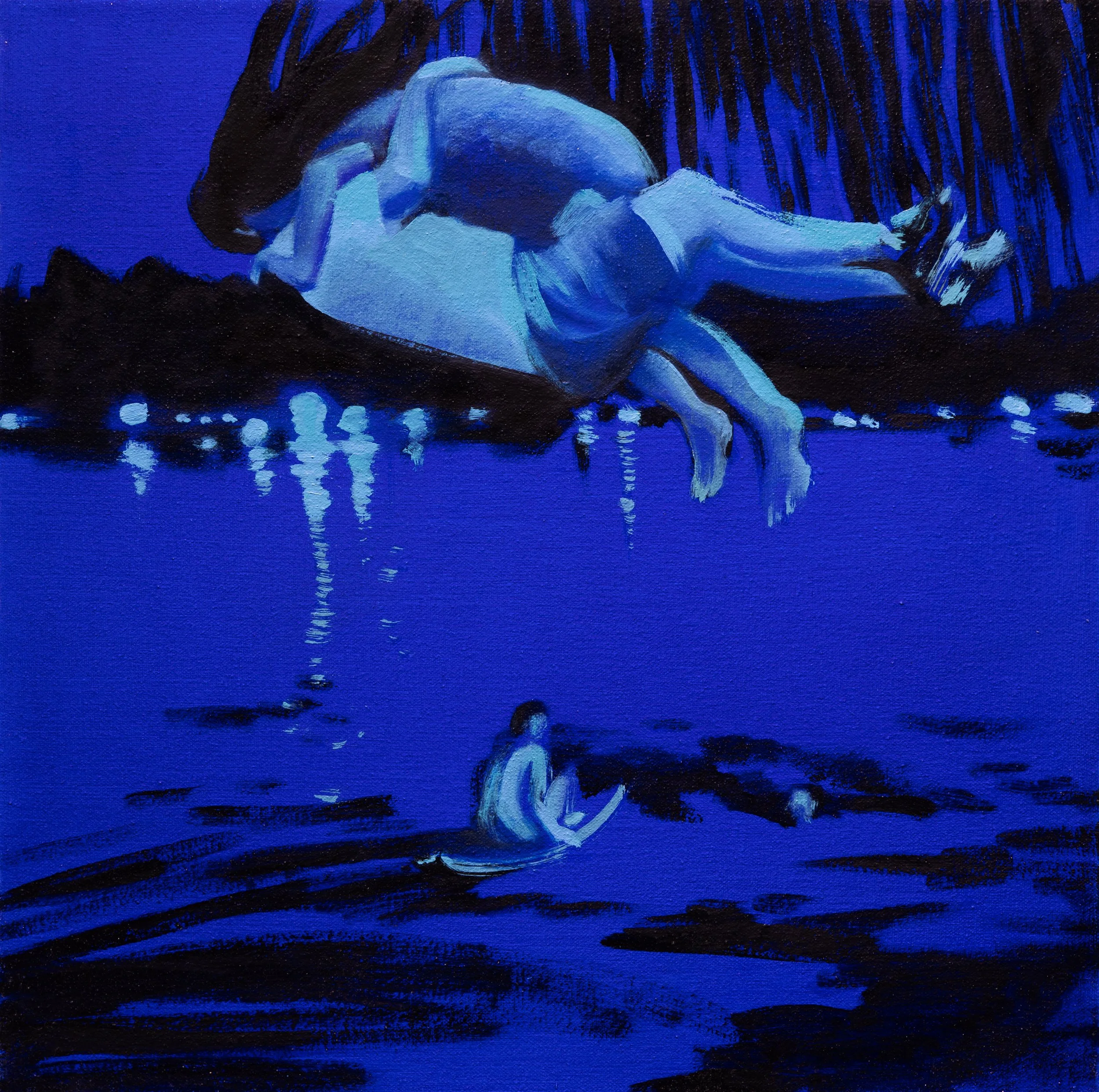
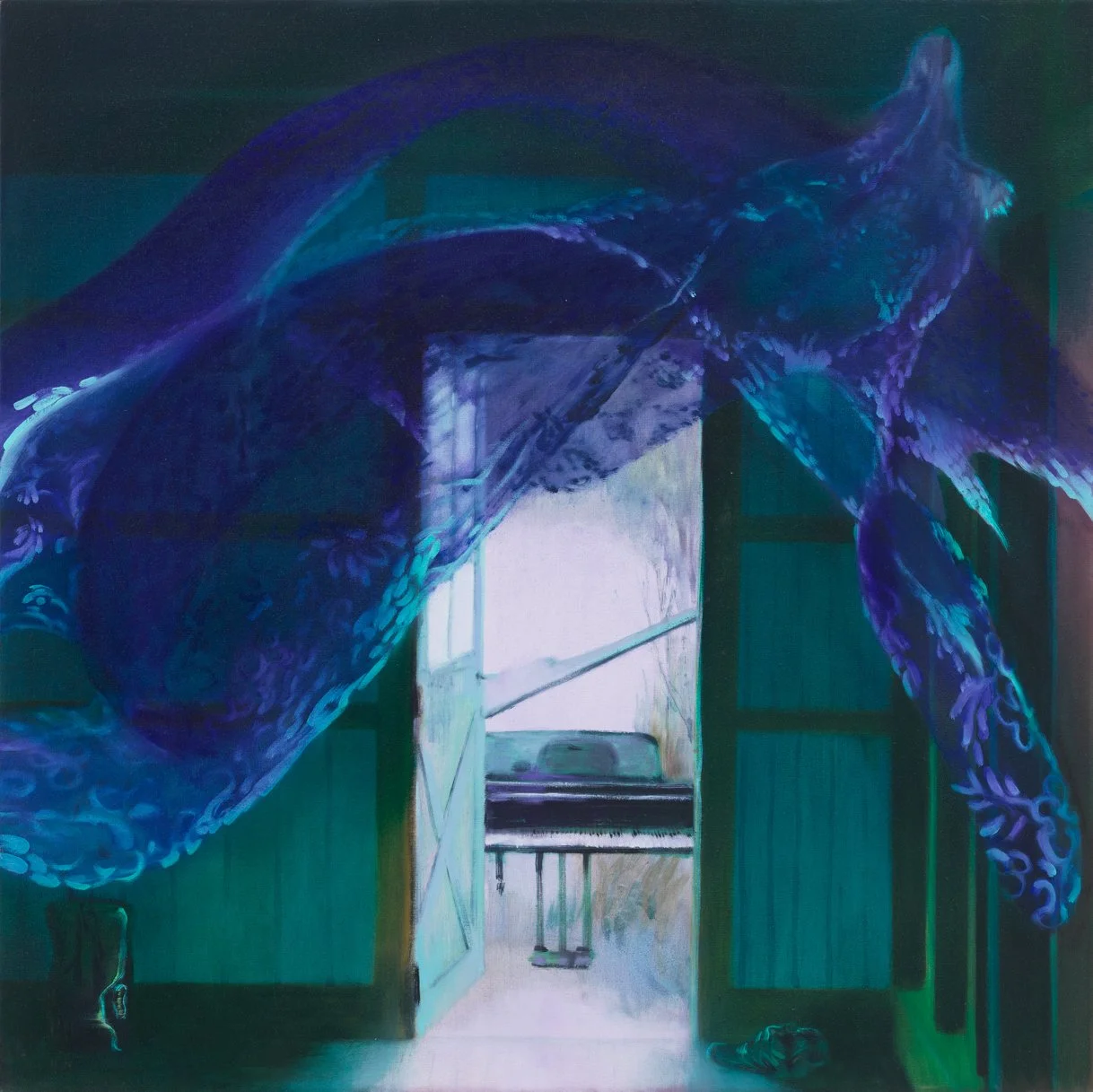



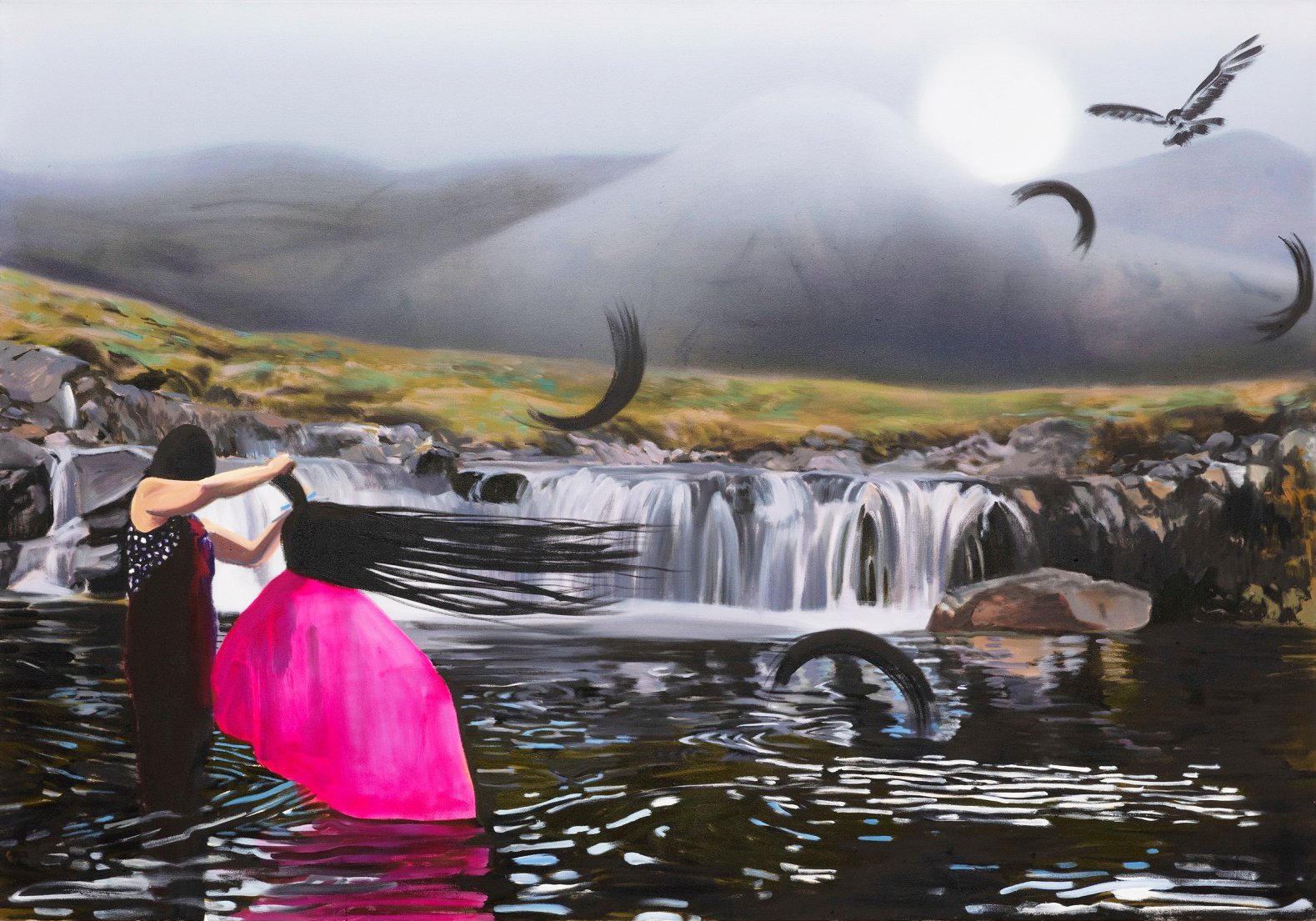
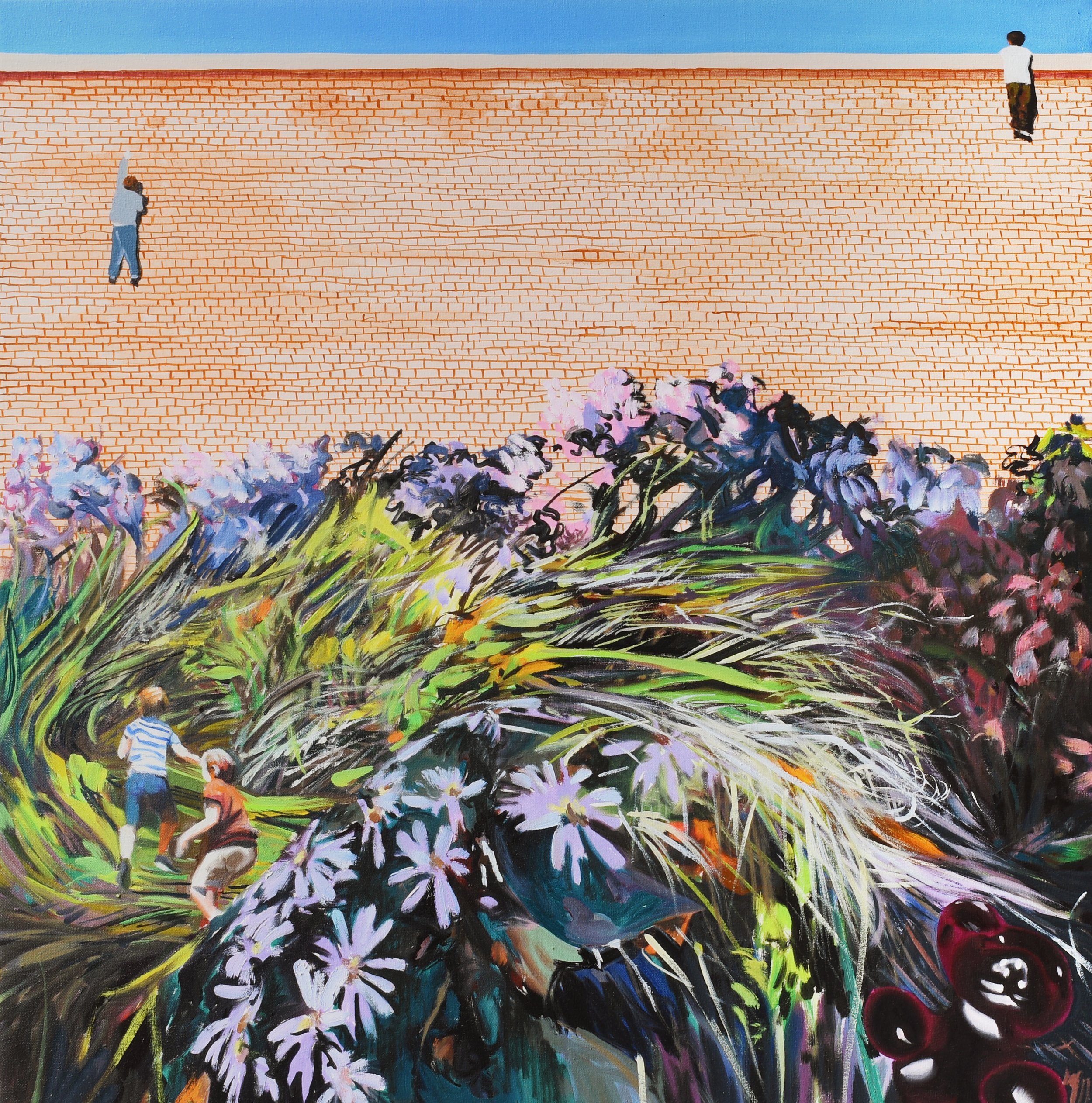
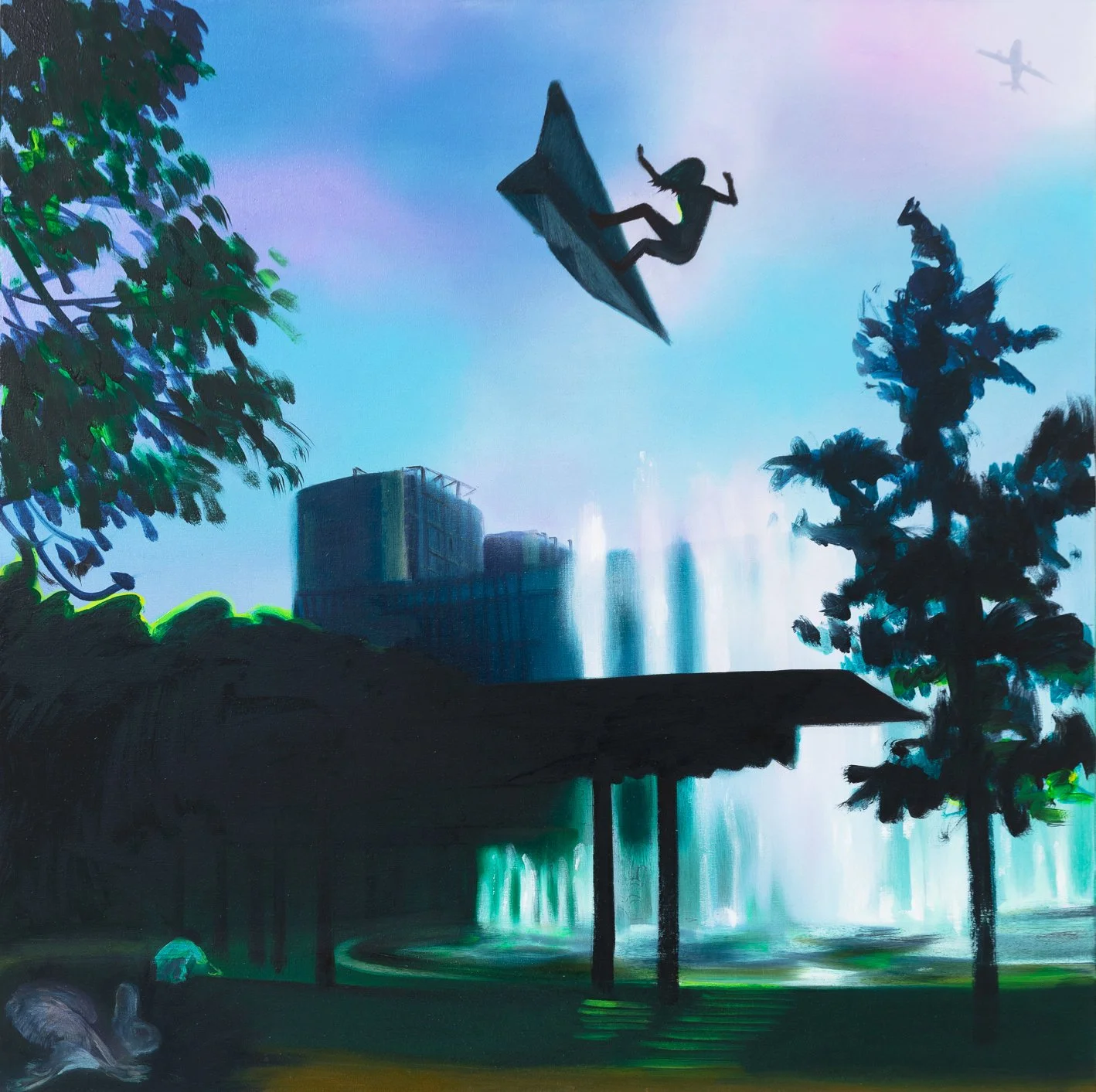
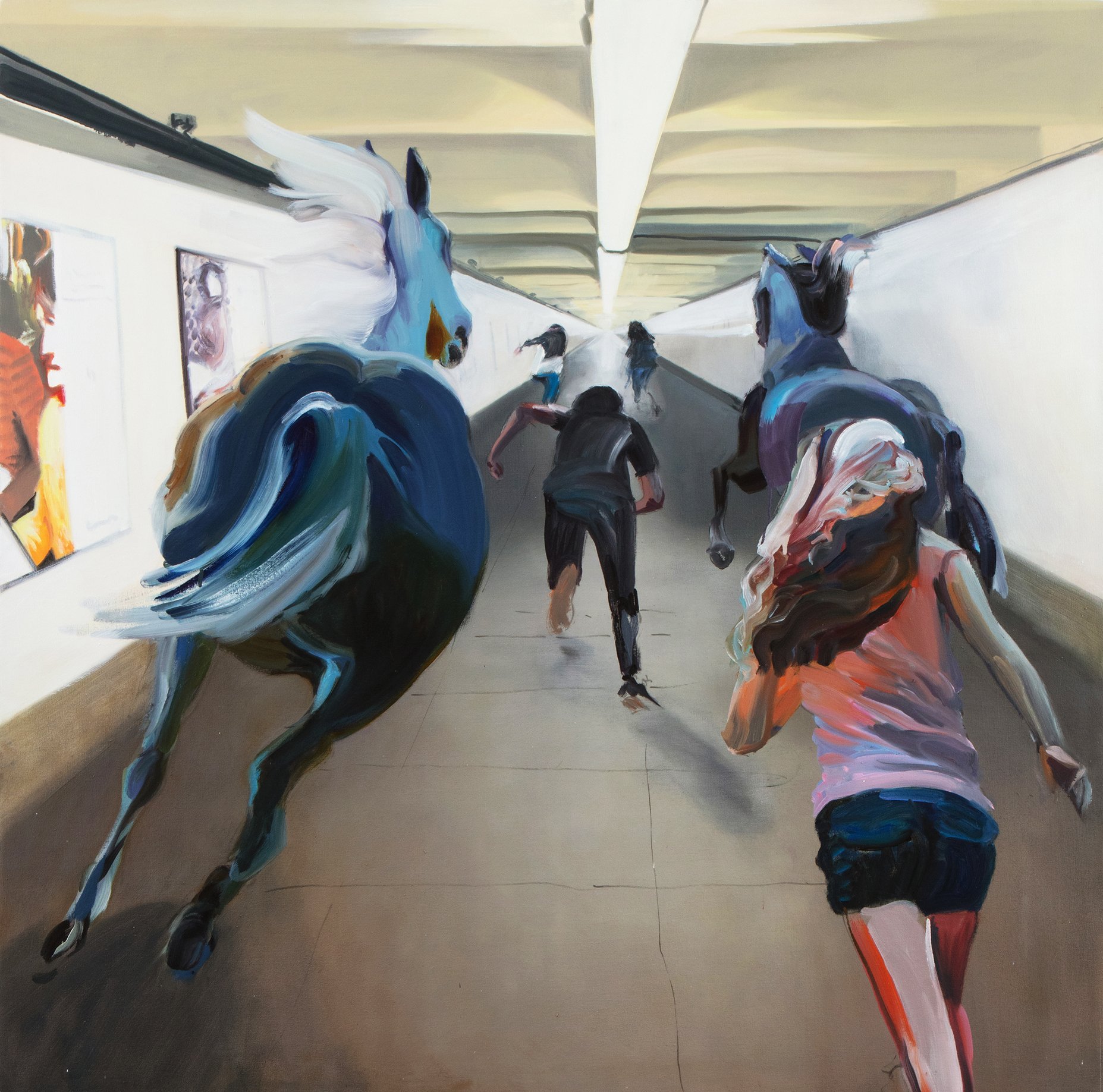
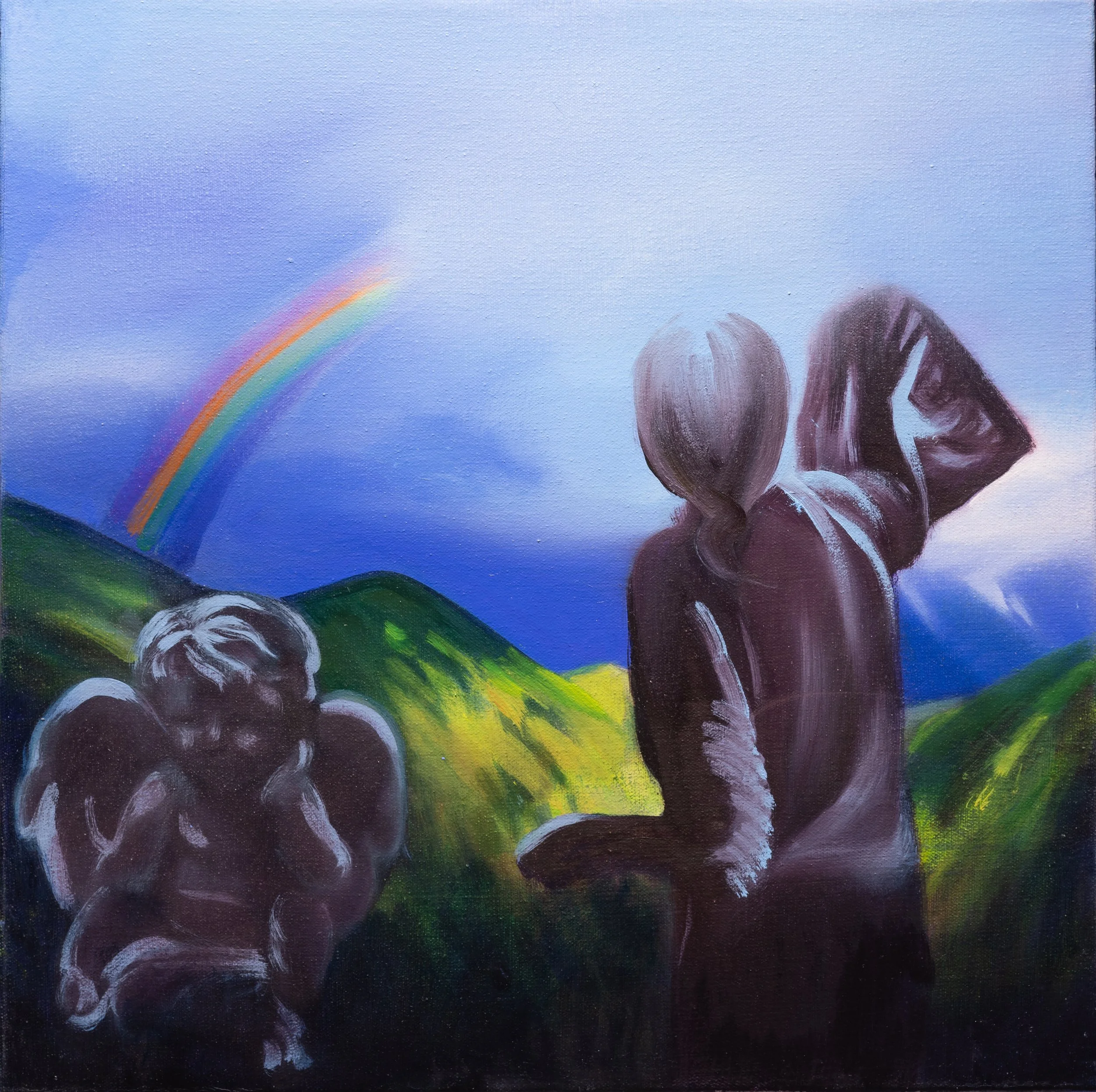




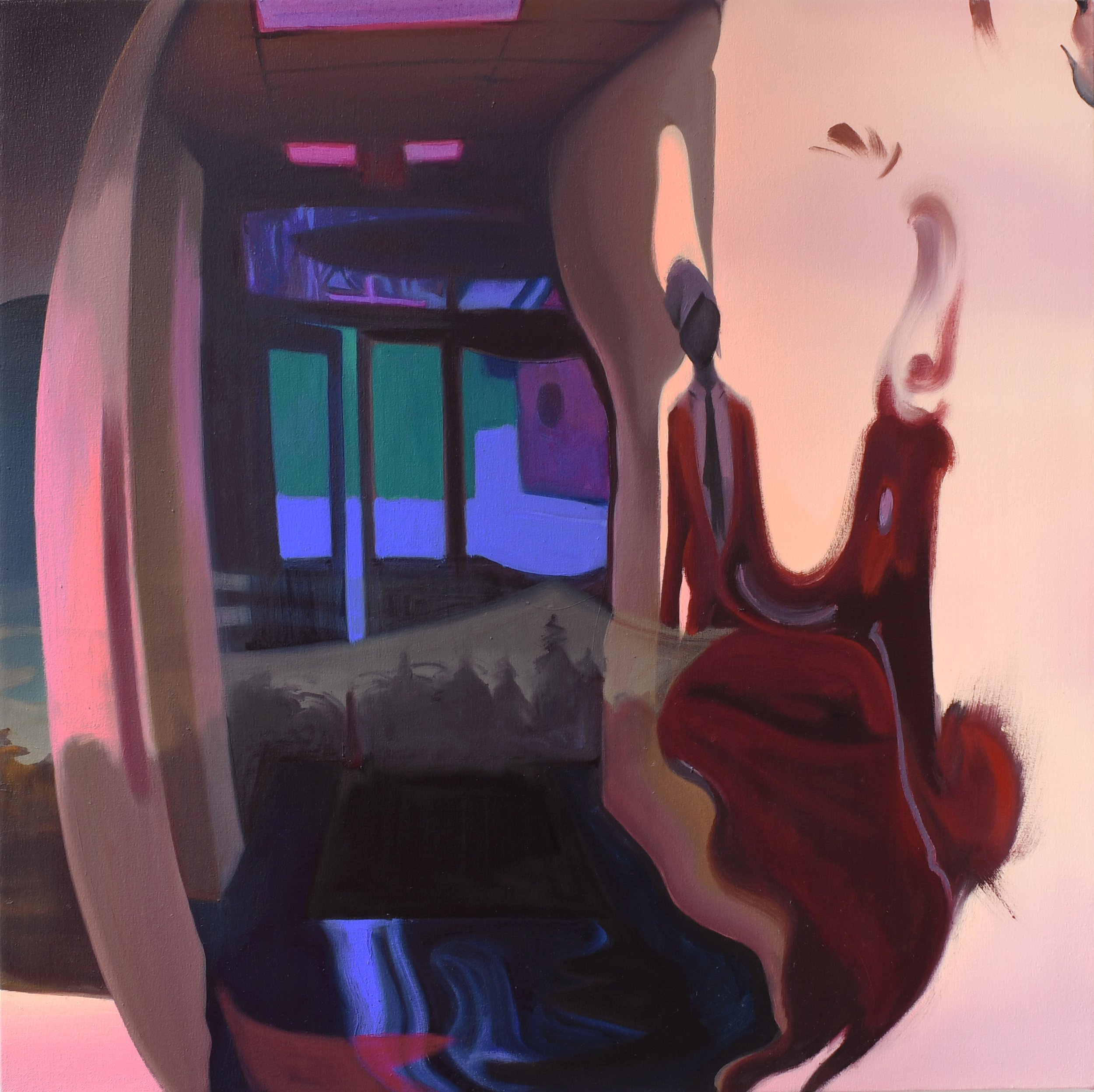

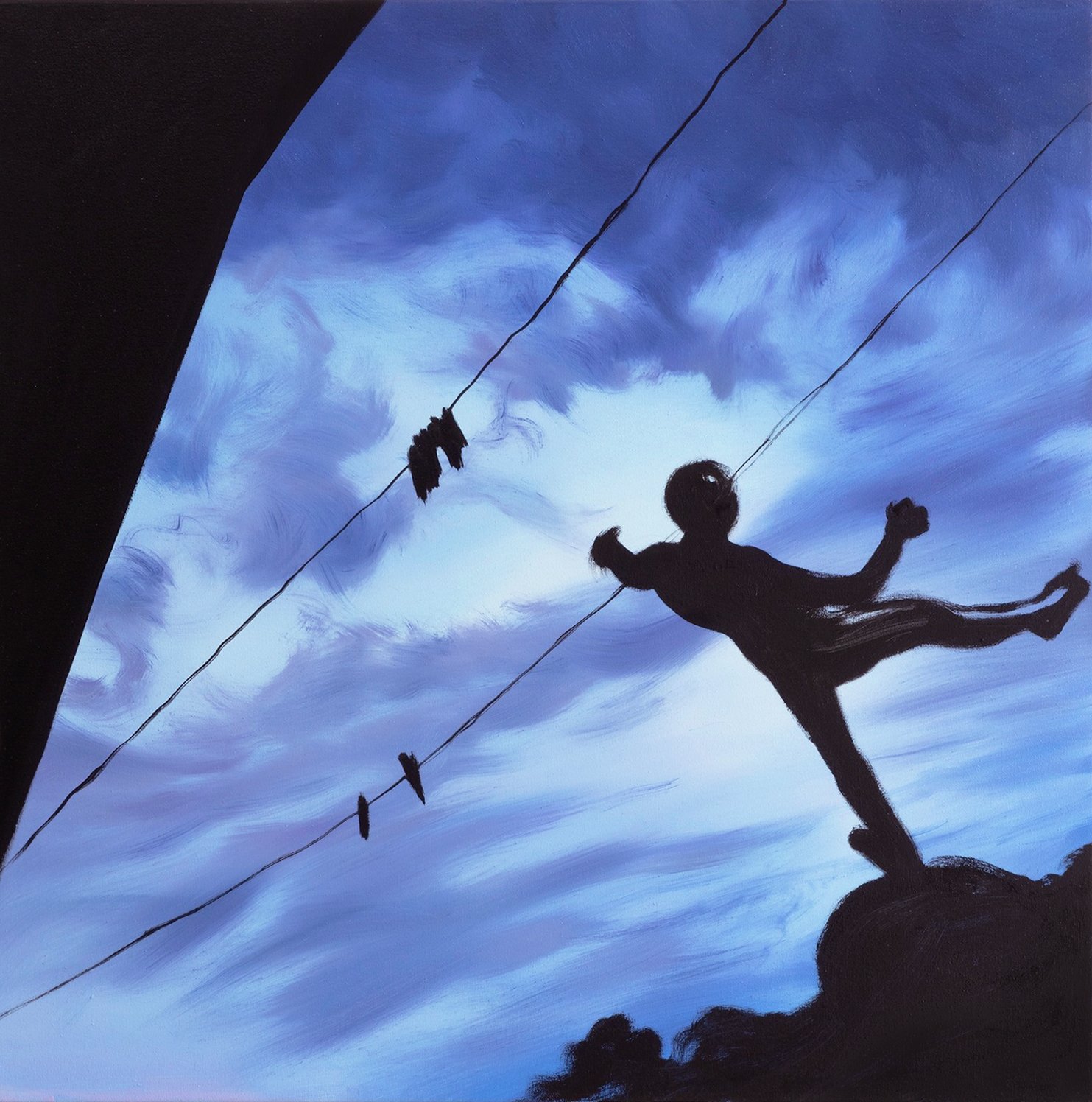

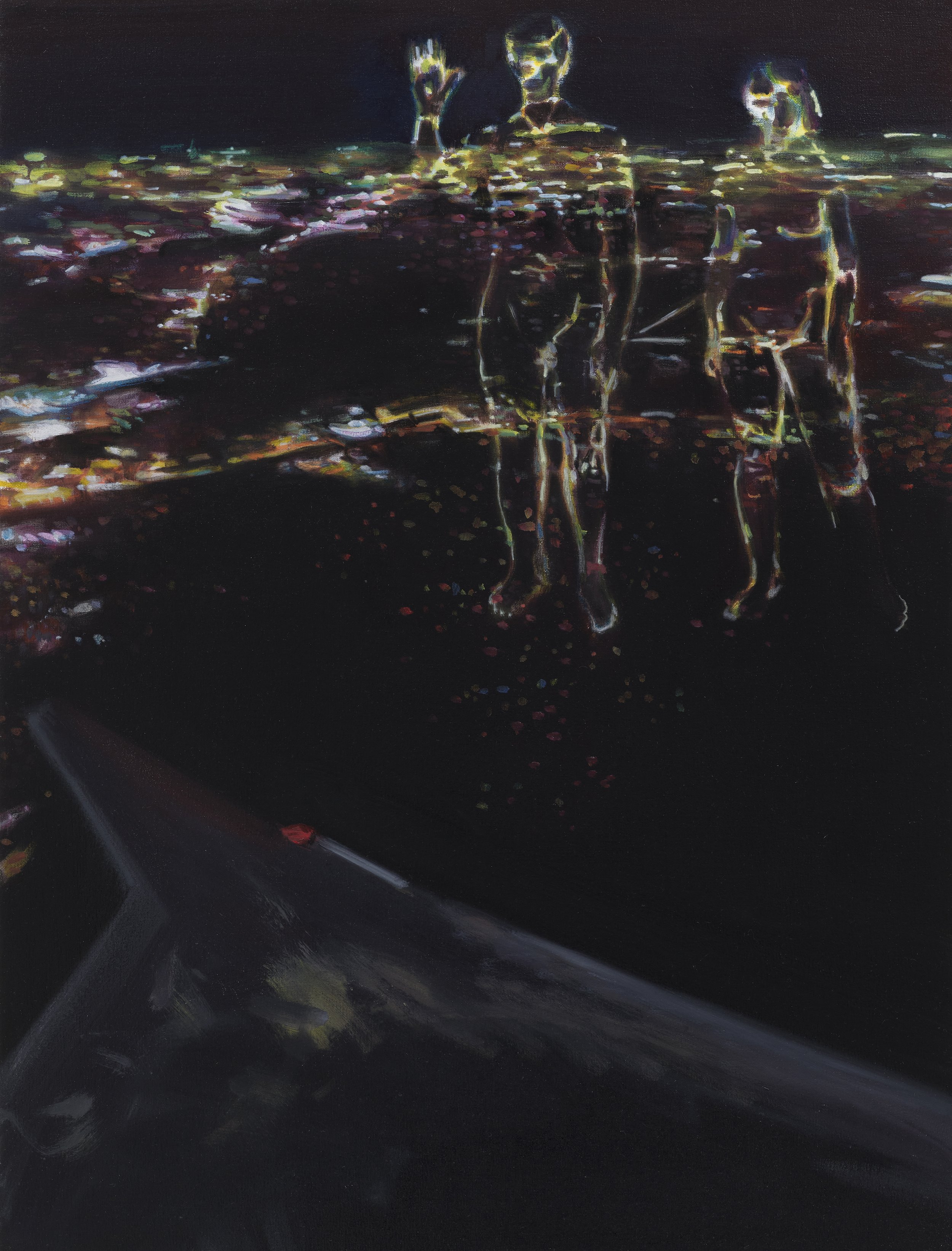

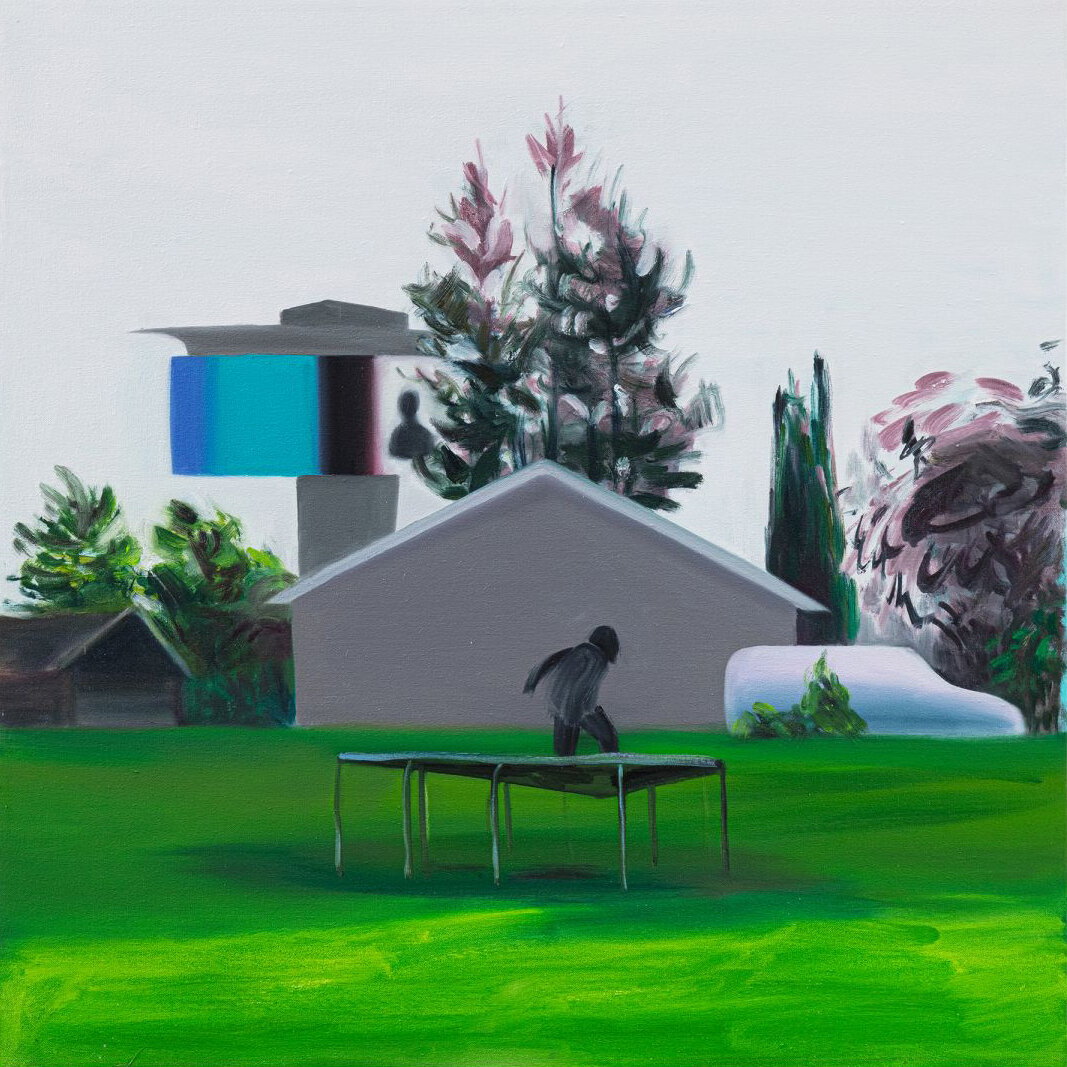


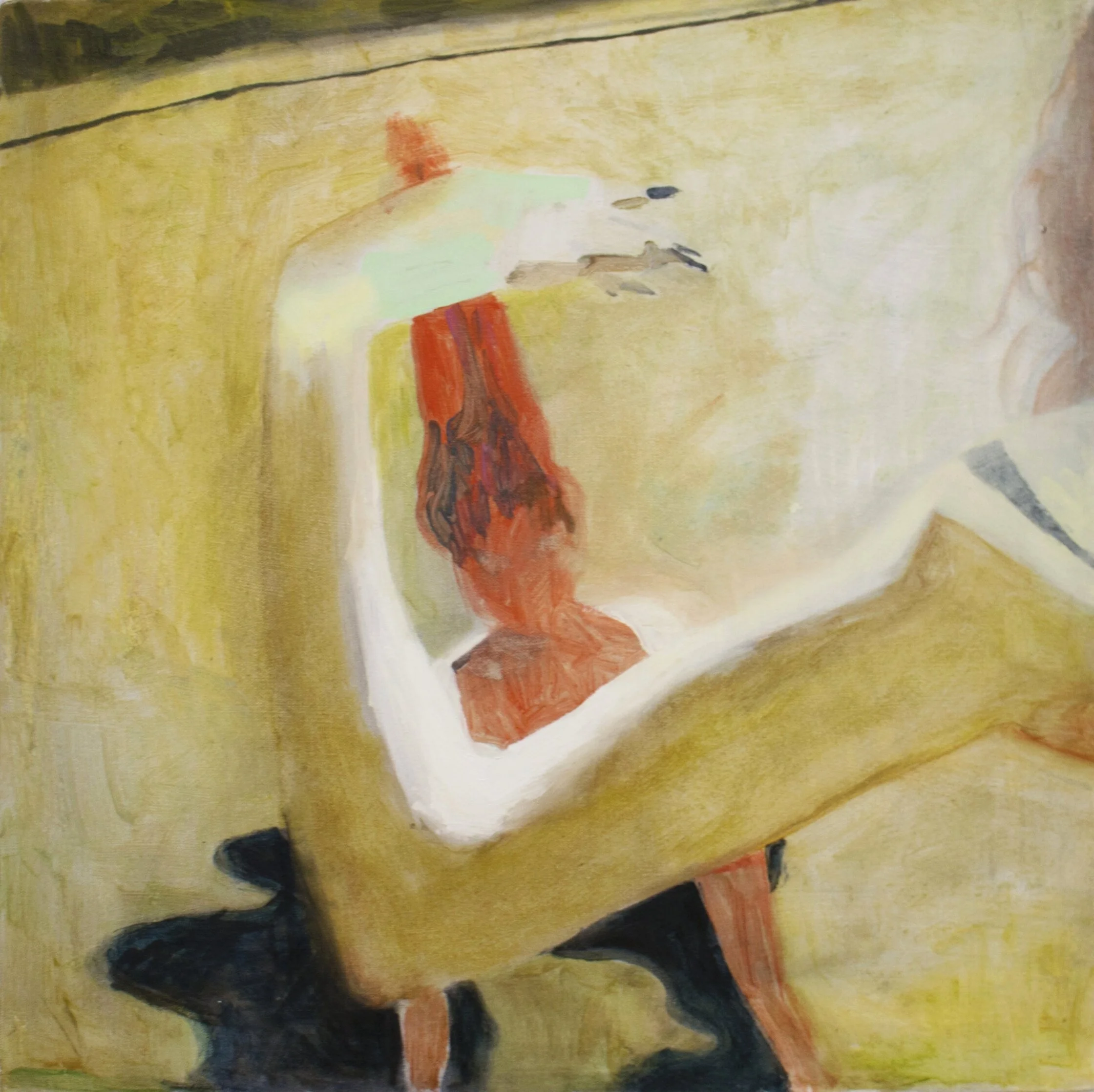
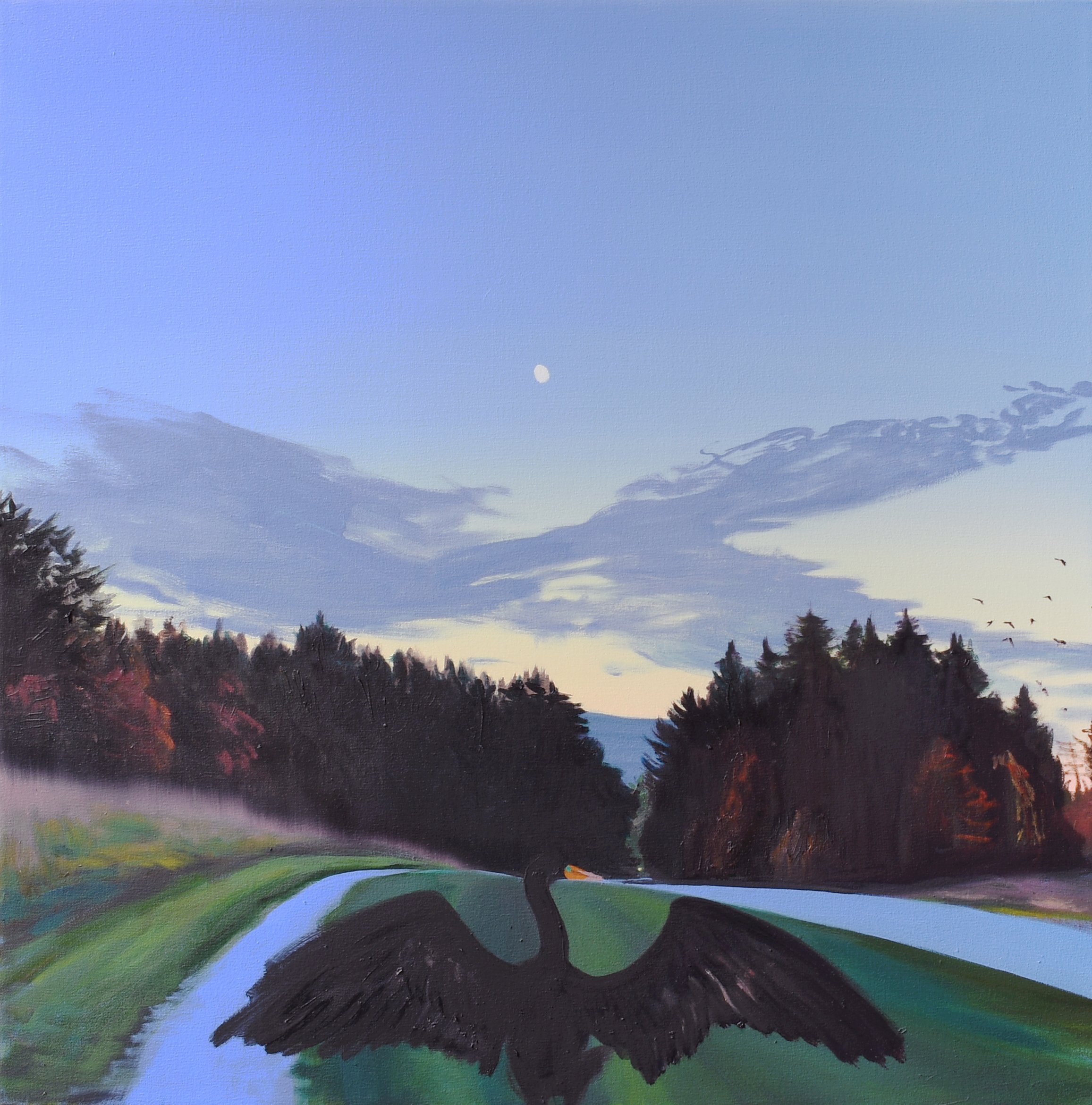
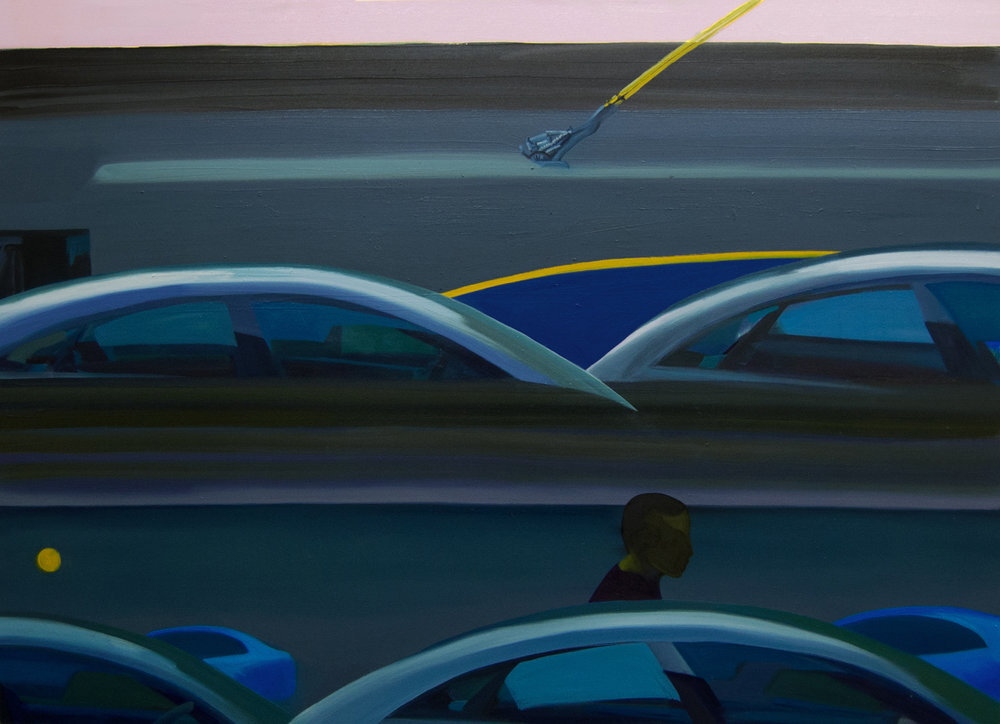
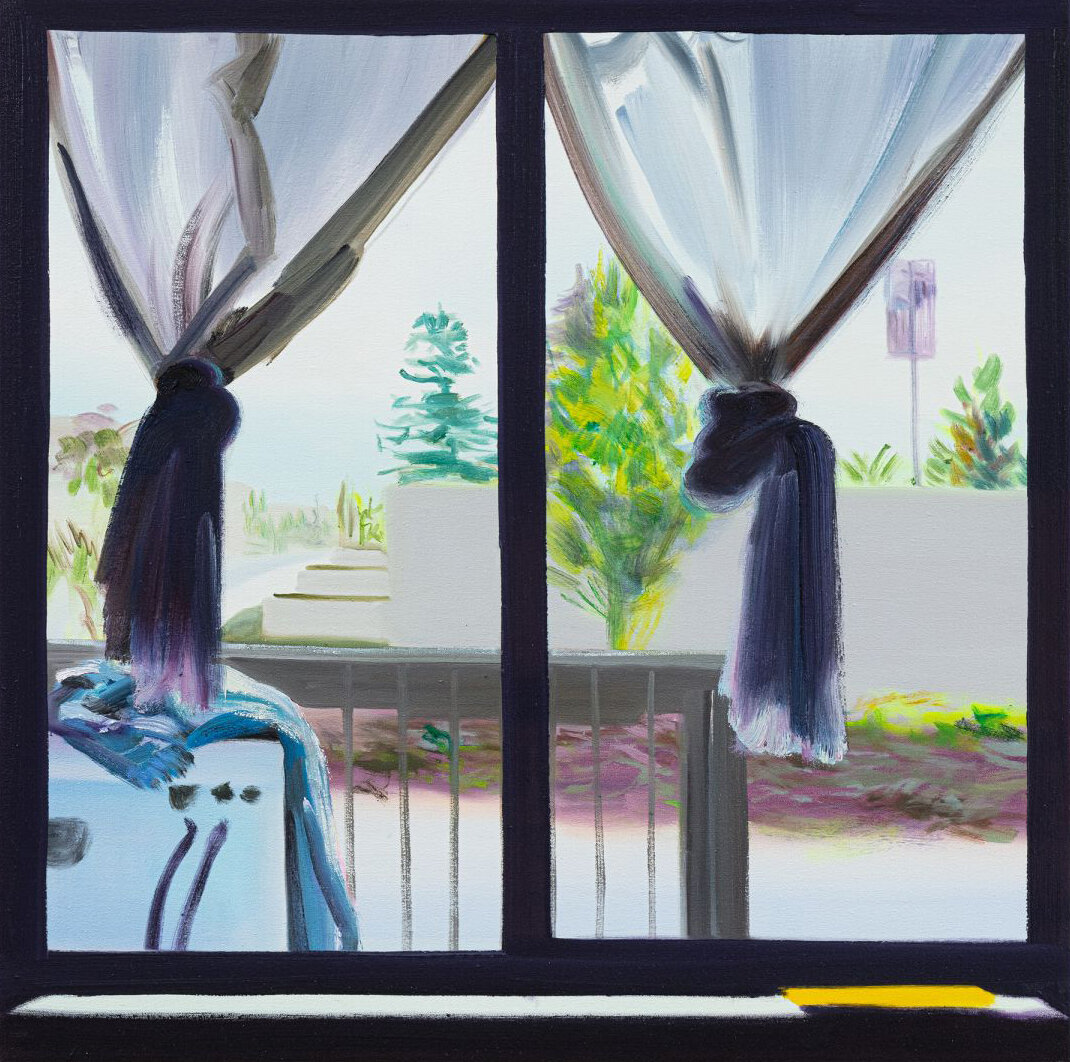


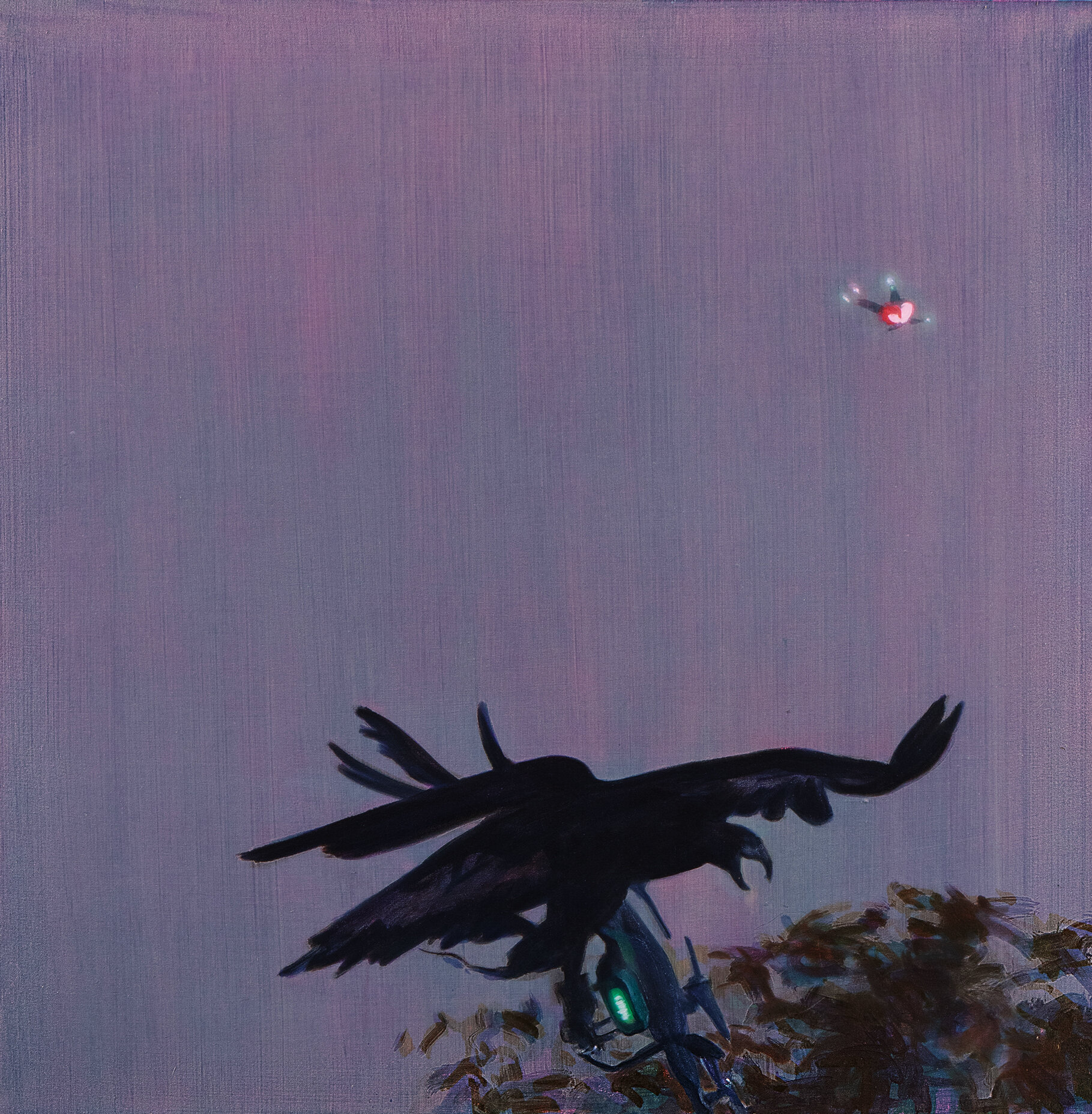
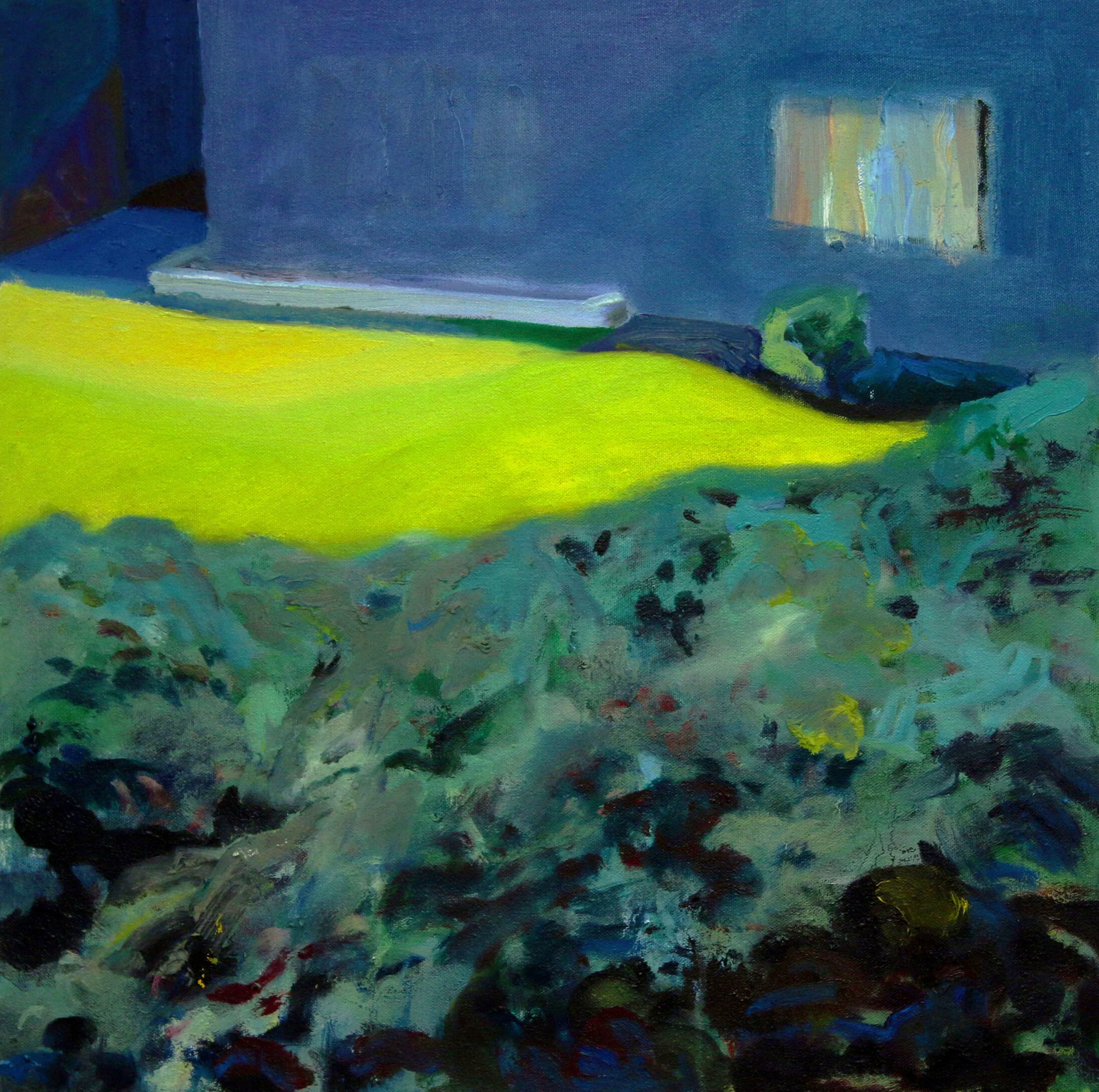
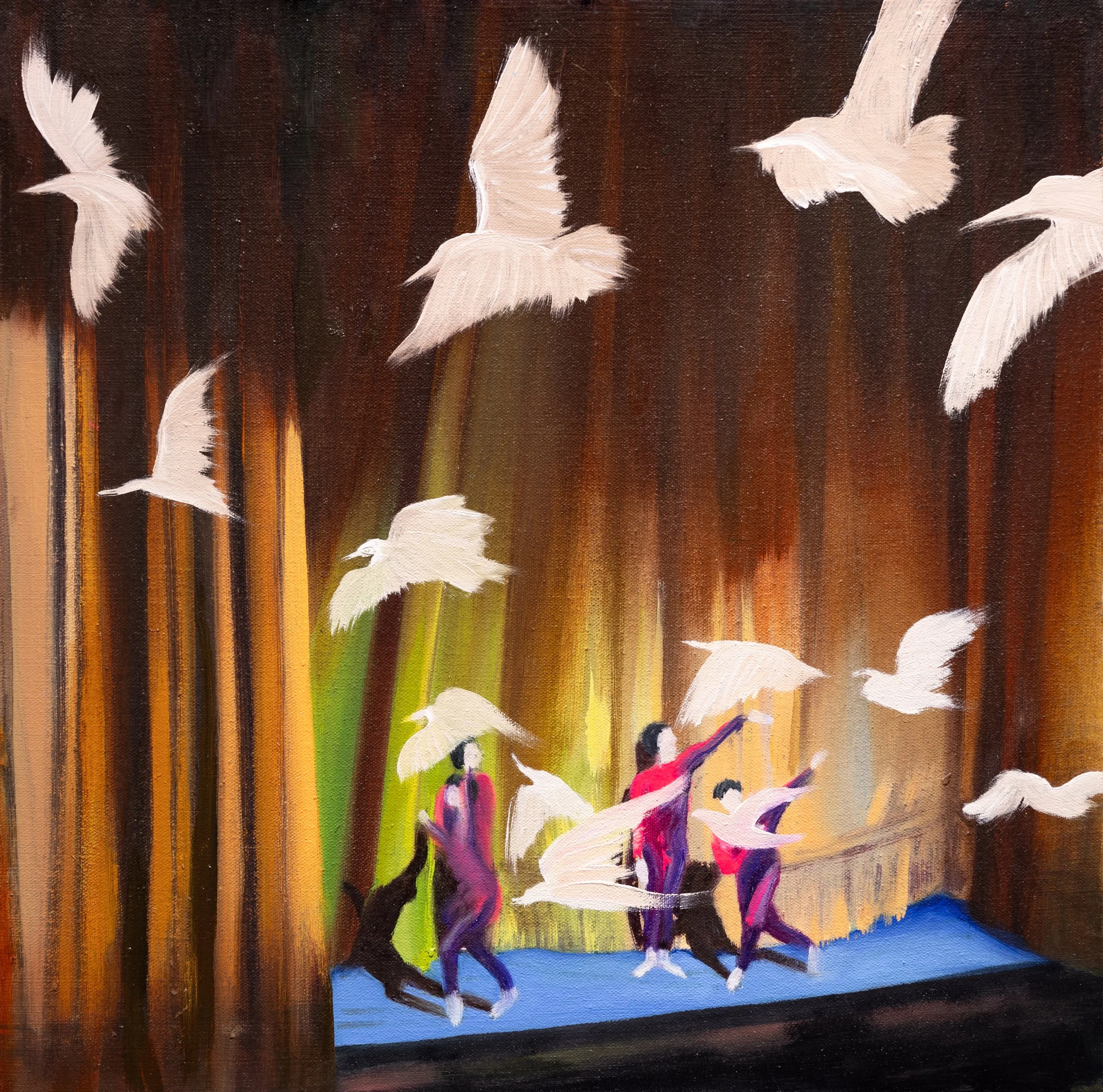


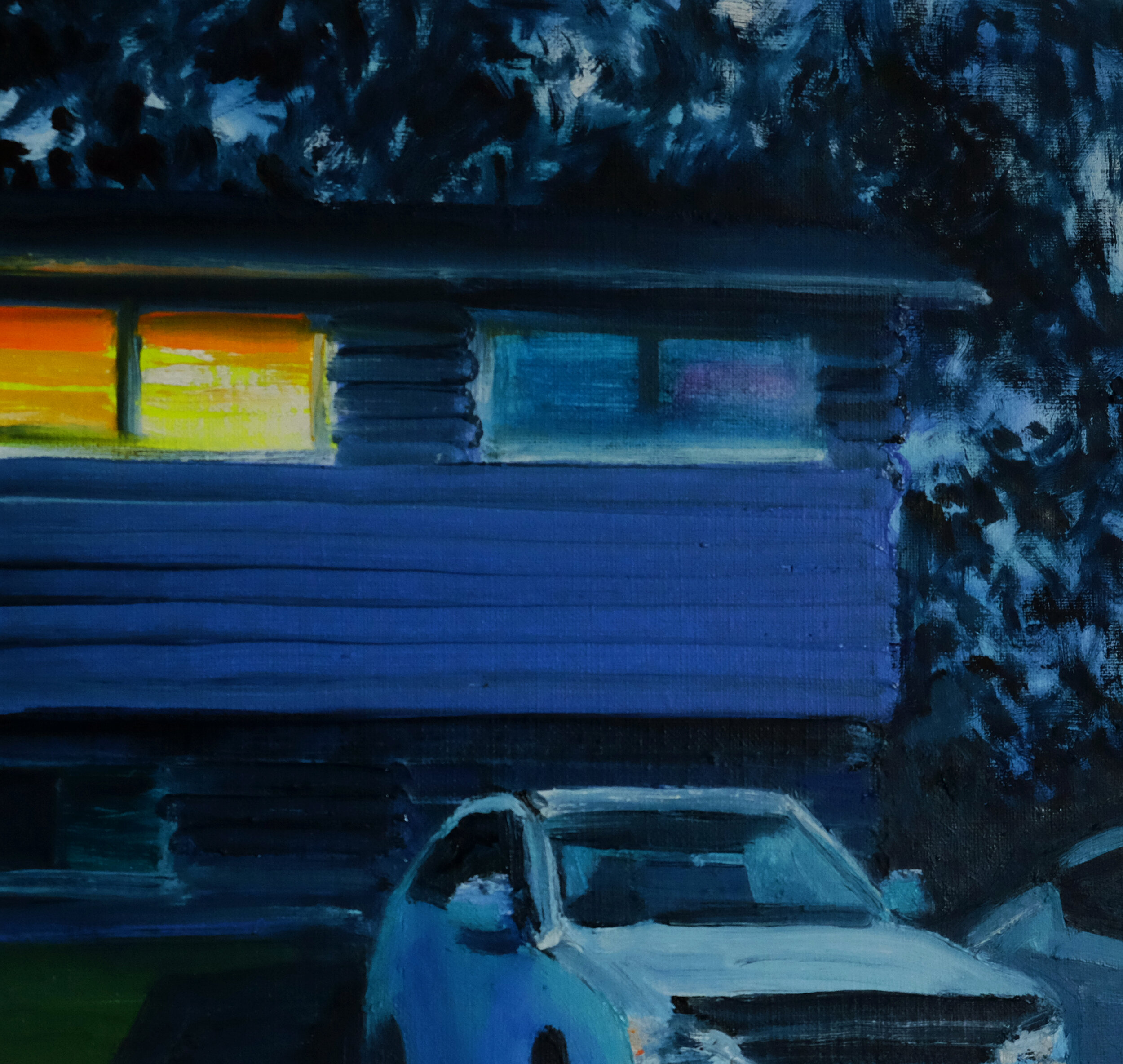


When I am very sick, I feel as if I could sink into my bed. I wish crossing over to death were that easy — just slipping through a sack or a membrane, the way Tolstoy describes in The Death of Ivan Ilyich. My consciousness feels like a stone, or an egg: dense. Something like that could slip through and drop cleanly out of this world.
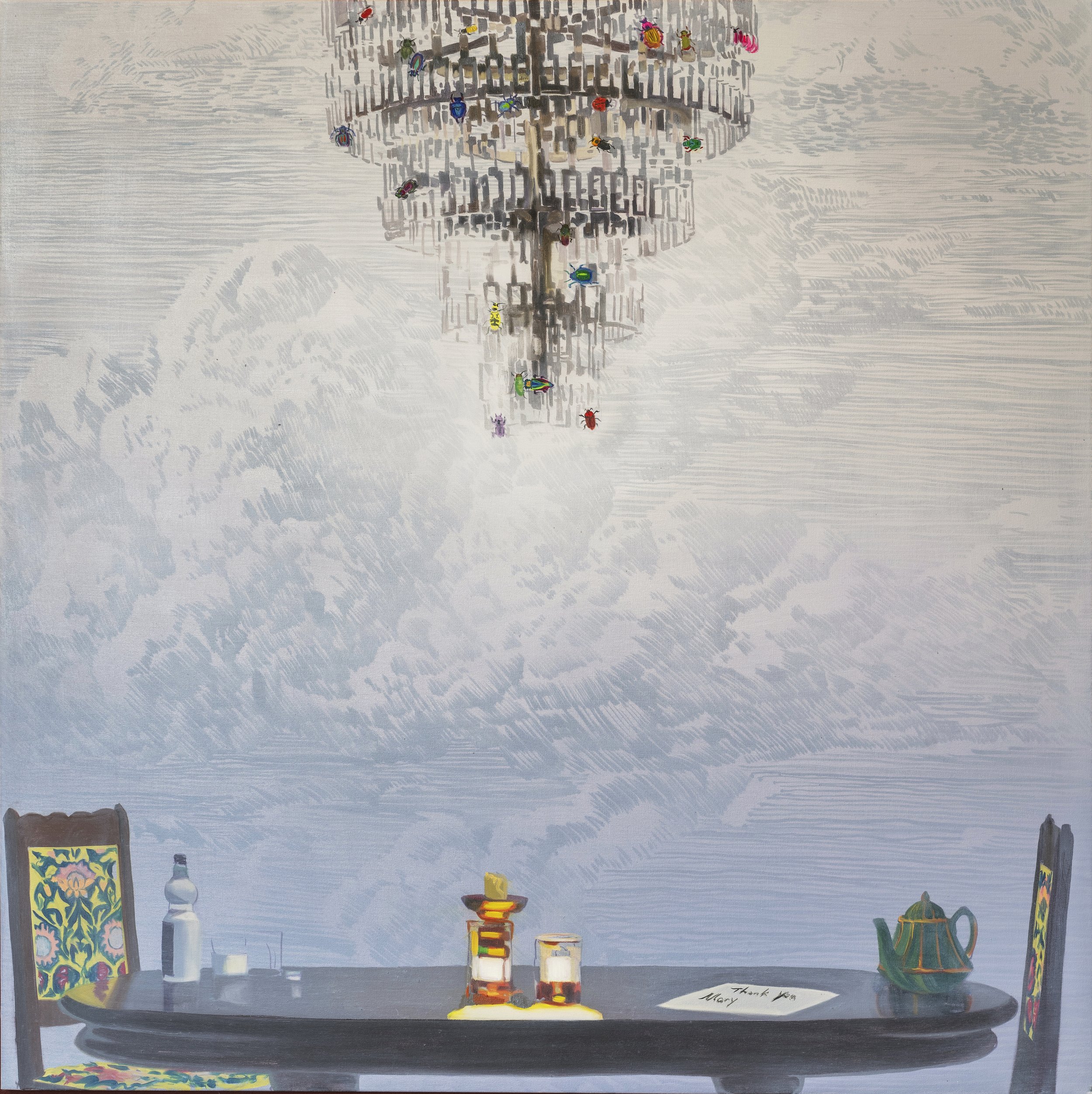
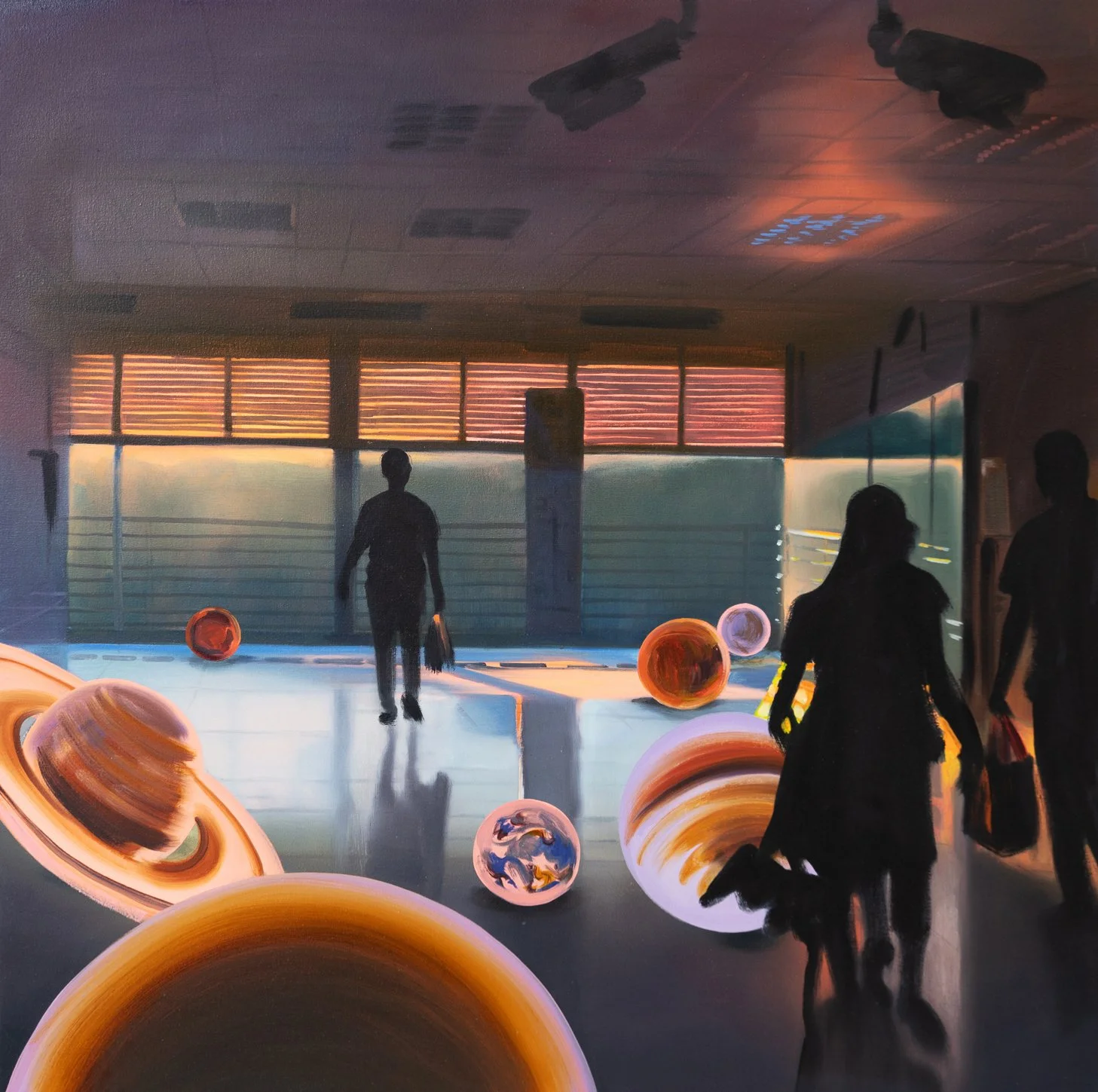
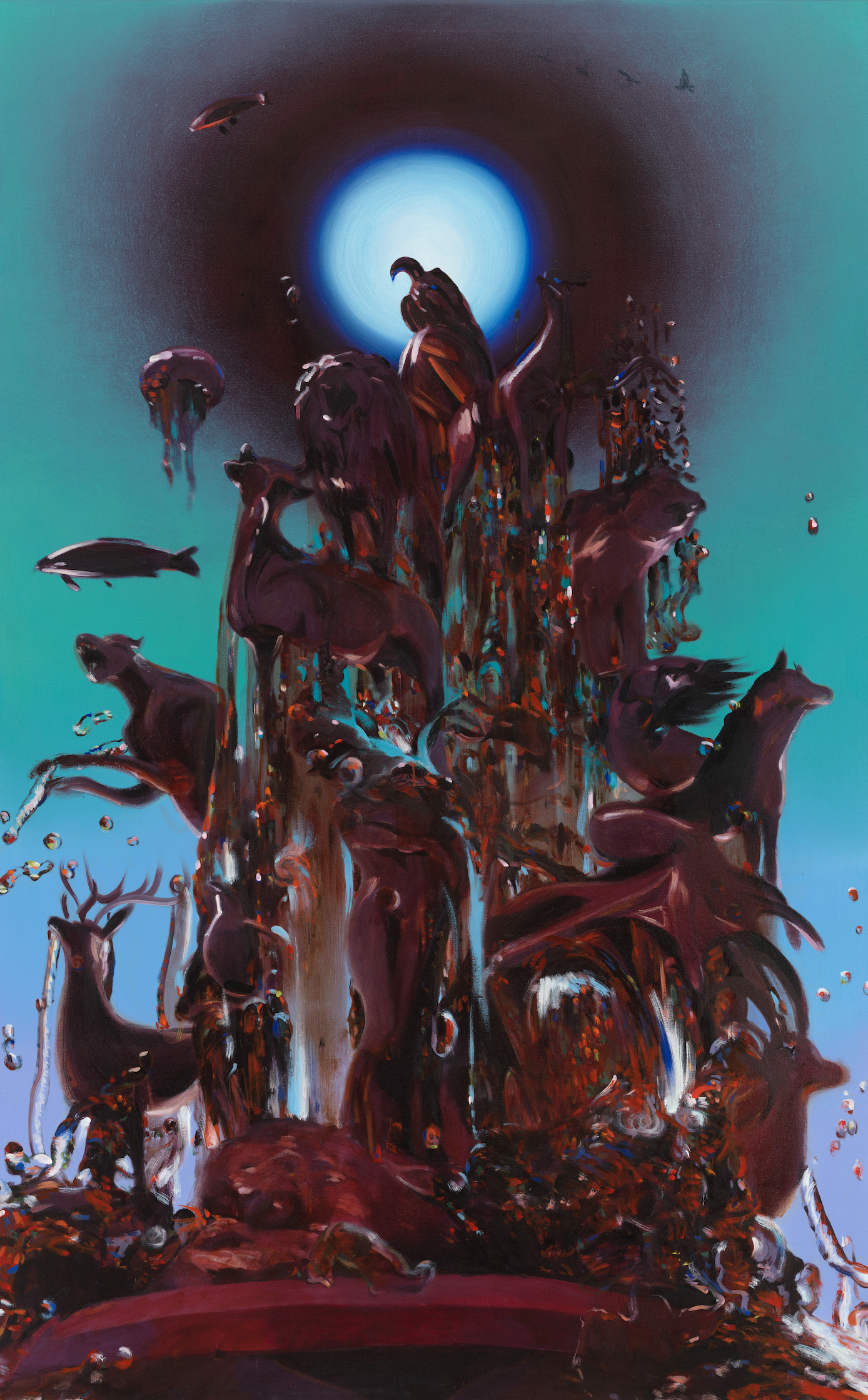
The origin of the universe, predating time itself, remains a profound mystery. The Big Bang explains the universe's expansion but not its cause. The Dao De Jing calls the coexistence of being and non-being the "abyss of abysses — the gateway to all mystery." The universe can be imagined shifting between black and white, a circular world generated by the boundary between opposites. Ancient Hebrew texts liken stars to traveling angels. As stars move beyond the circles that contain them, the circle expands. Yet on a sphere, circles can shrink even as the angles escape — the way the universe may one day fold in on itself, continuing the eternal cycle of being and non-being. These are the branches of knowledge I hang from to imagine the beginning of everything.
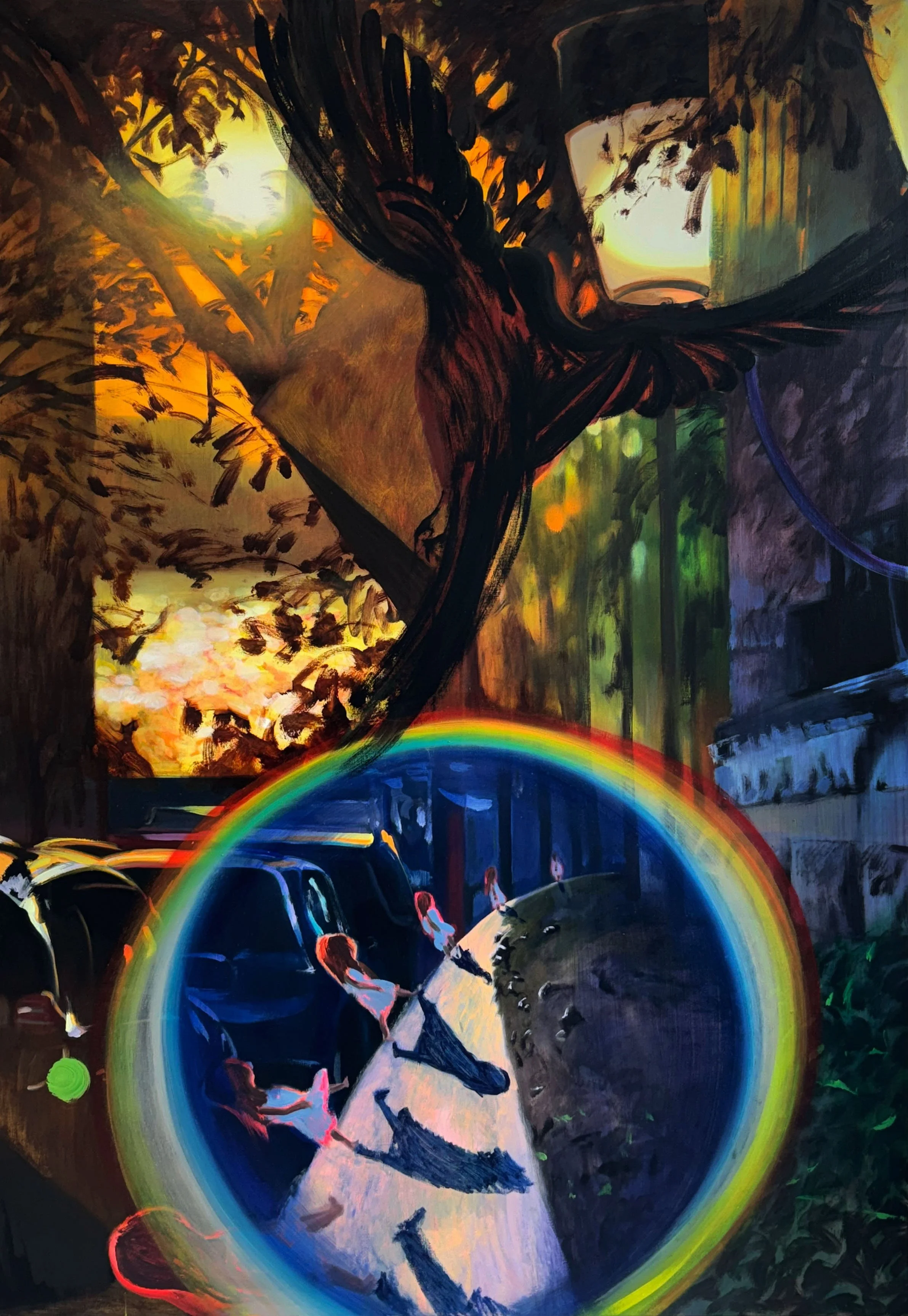
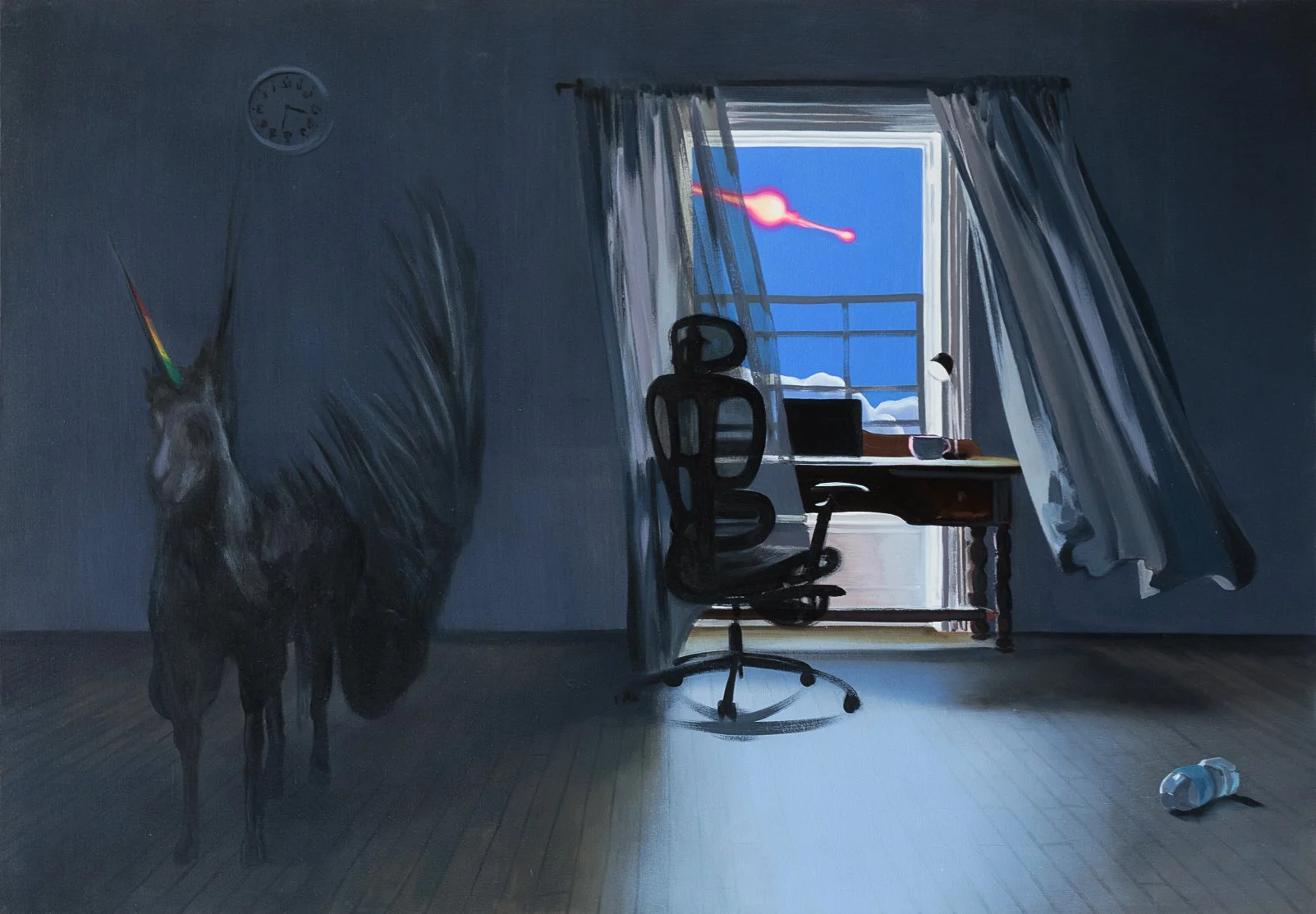
Walking home from studio one day, I felt particularly happy to be alive.
People say your entire life flashes before your eyes before death. This is one of the moments I would want to revisit.
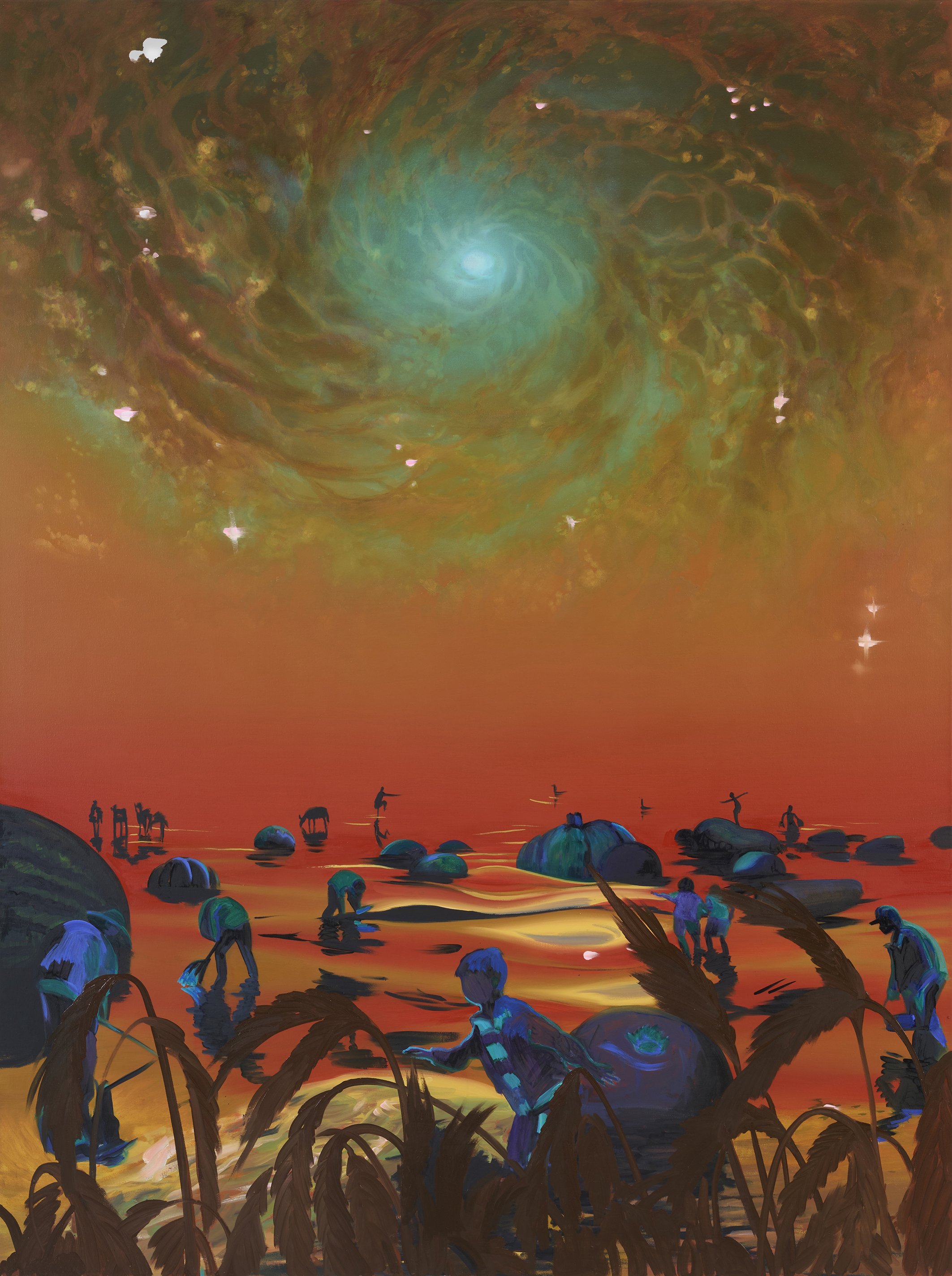
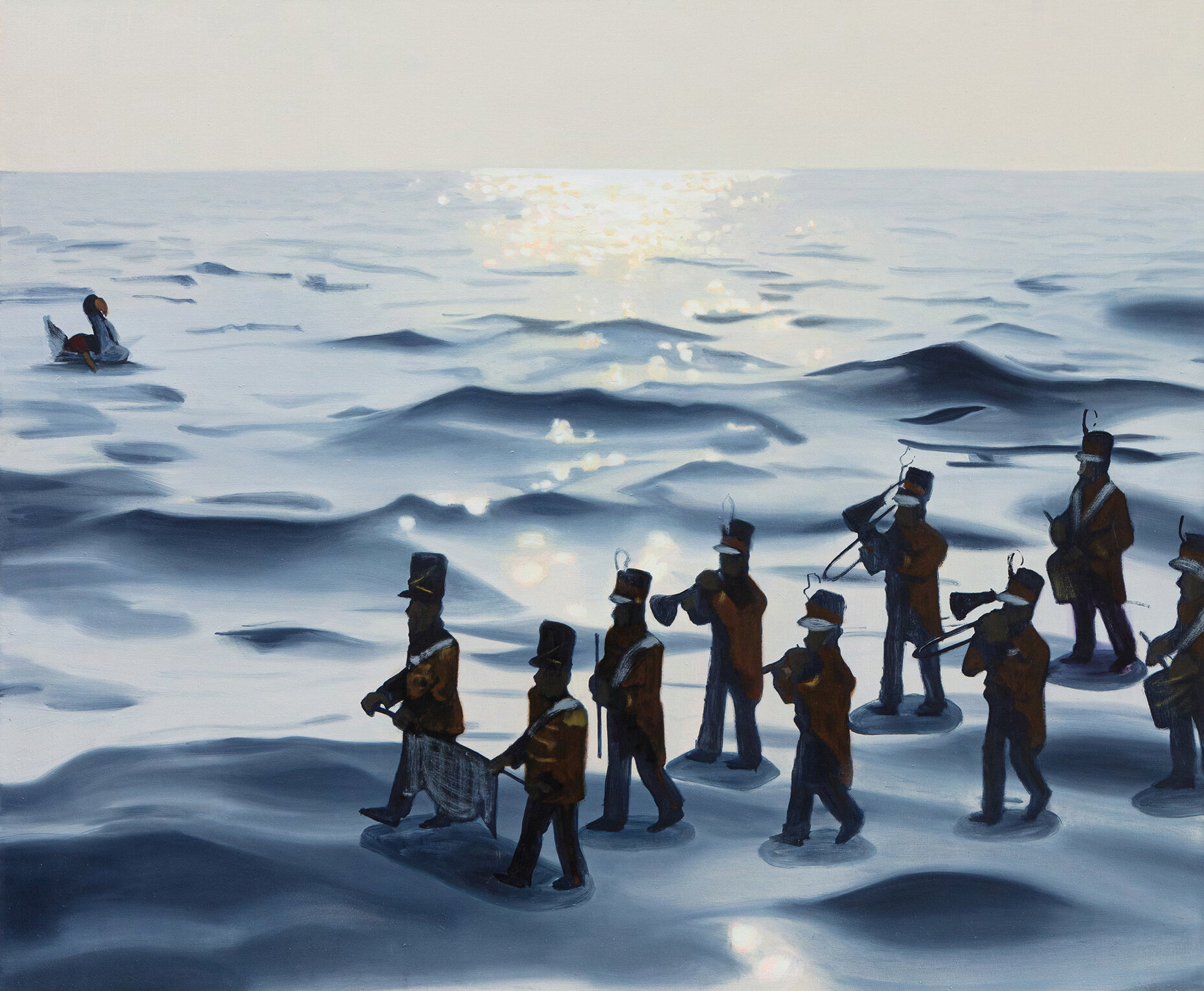
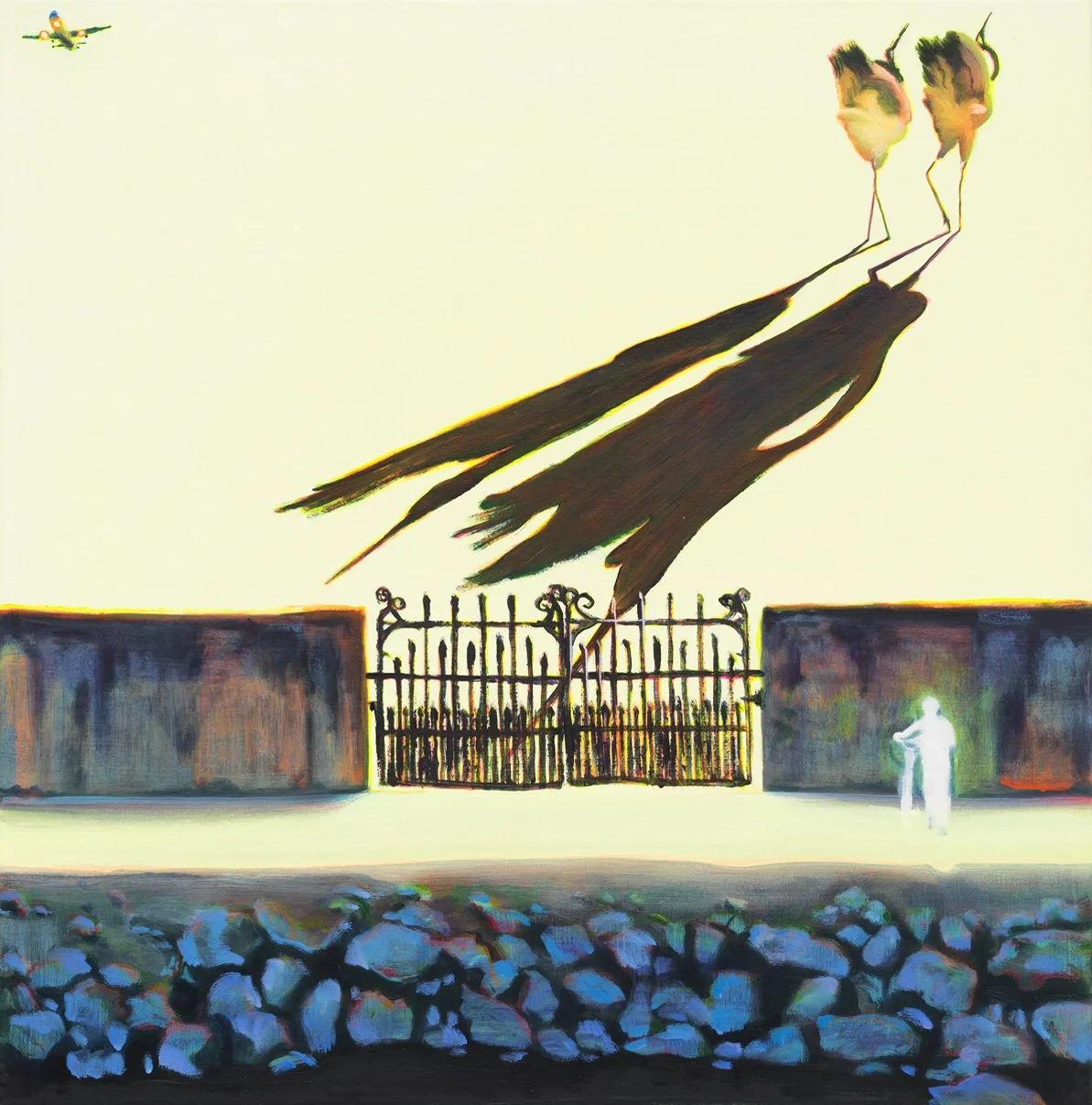
I was chatting with the Chinese artist and critic Chen Danqing over lunch. While slurping noodles, he told me that Chinese civilisation is the one that has always responded to catastrophe and grief by returning to daily necessities. Farming, he said. That is what we will do.
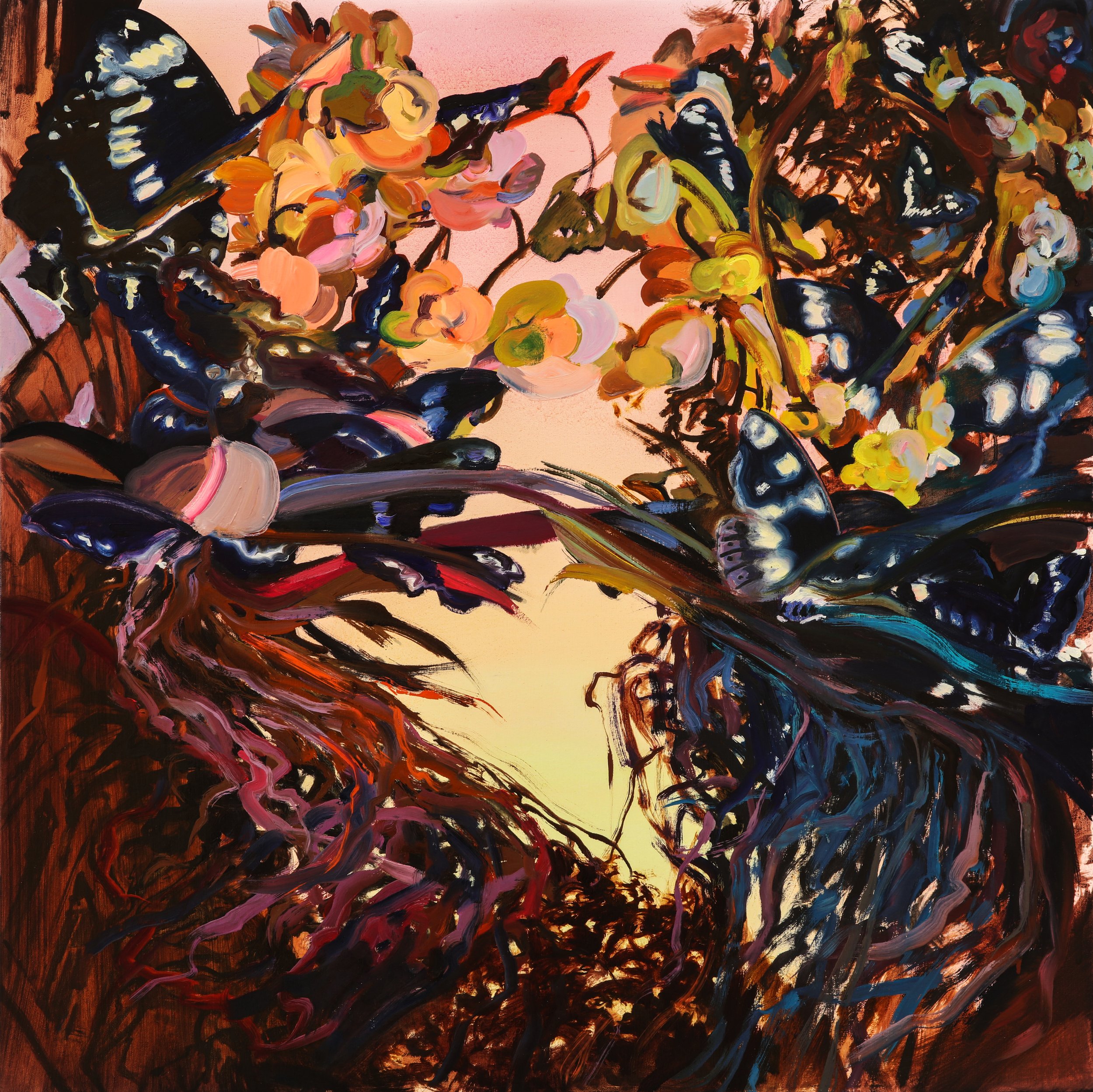
I was in Kyoto when the first breath of spring — blooming flowers and warm evening air — was carried to me by the motion of an elegant passerby in a silk kimono.
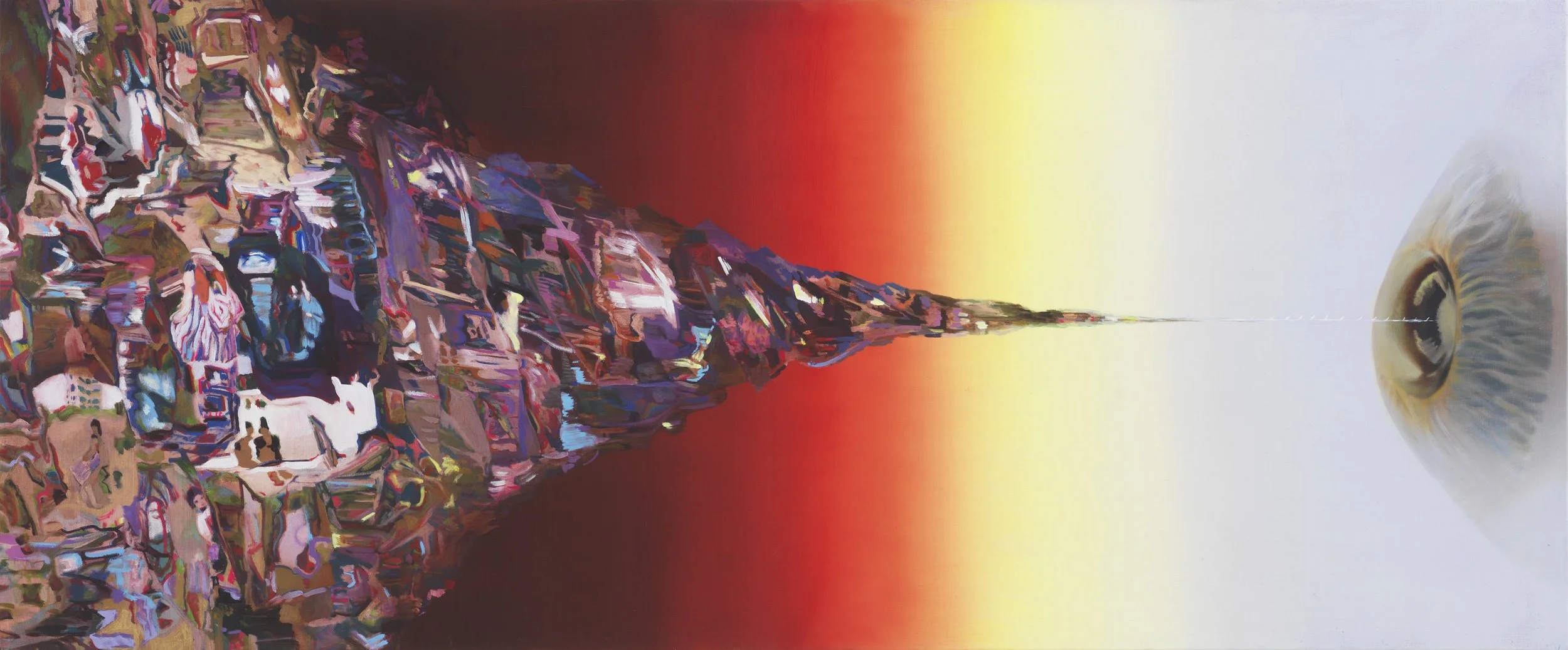
My first memory is my mother reading Li Bai's "Bring in the Wine" — Do you not see the Yellow River's waters pouring down from the heavens, rushing toward the sea, never to return; do you not see, before the bright mirror in the high hall, one grieving over white hair — at dawn like black silk, by dusk turned to snow? I asked her what the poem meant. She said: we will all die one day.
将进酒 —— 君不见黄河之水天上来,奔流到海不复回;君不见高堂明镜悲白发,朝如青丝暮成雪。
In the Tractatus, Ludwig Wittgenstein draws a diagram much like this one to show that we can never see what we see with — the eye itself never appears in the field of vision. I feel the same way about life, so I painted my childhood photos into a 3D prism. Death, I wish, would let me see my own eye — to at last exit that form, to step beyond the limits of my own life.
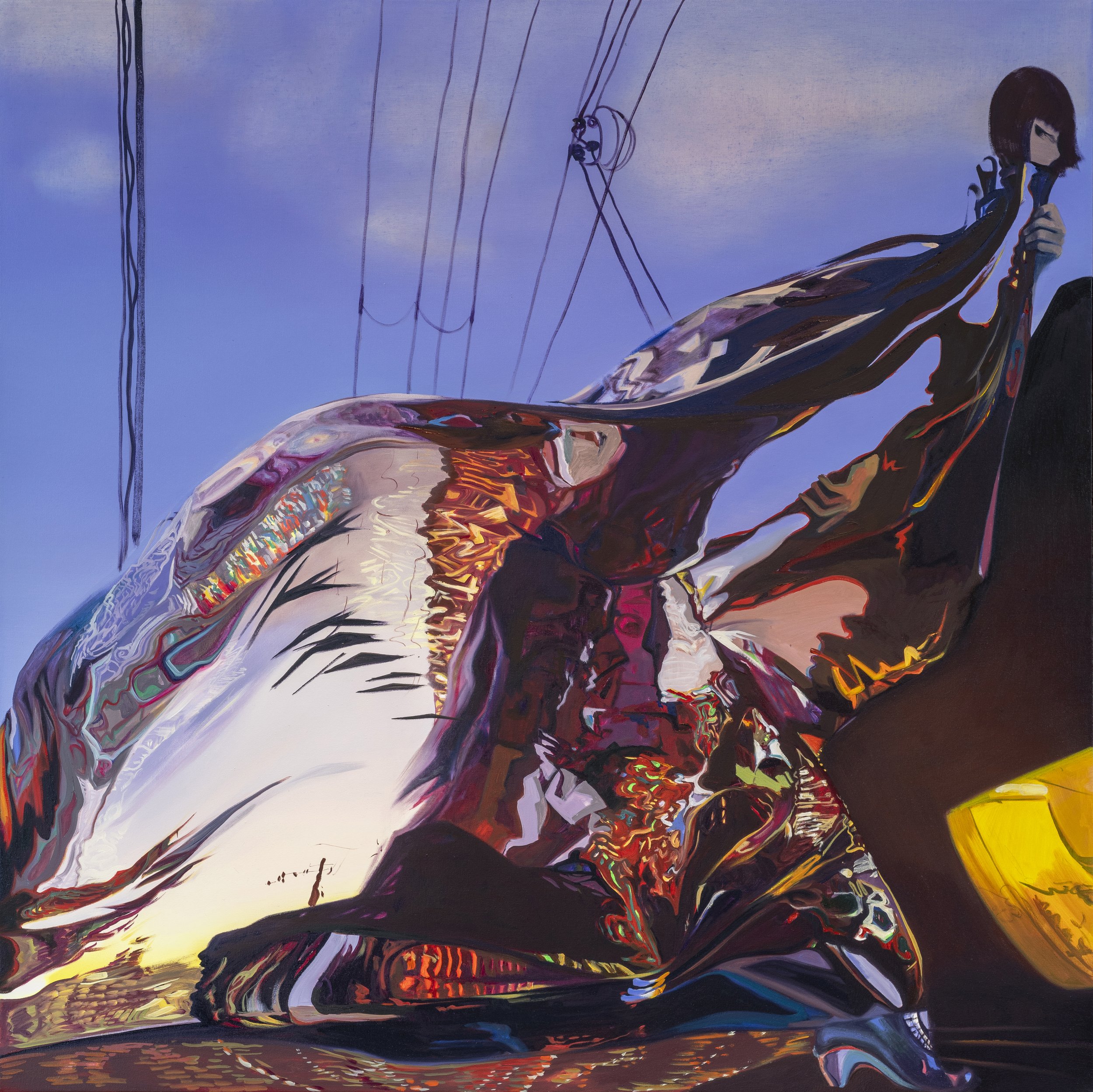
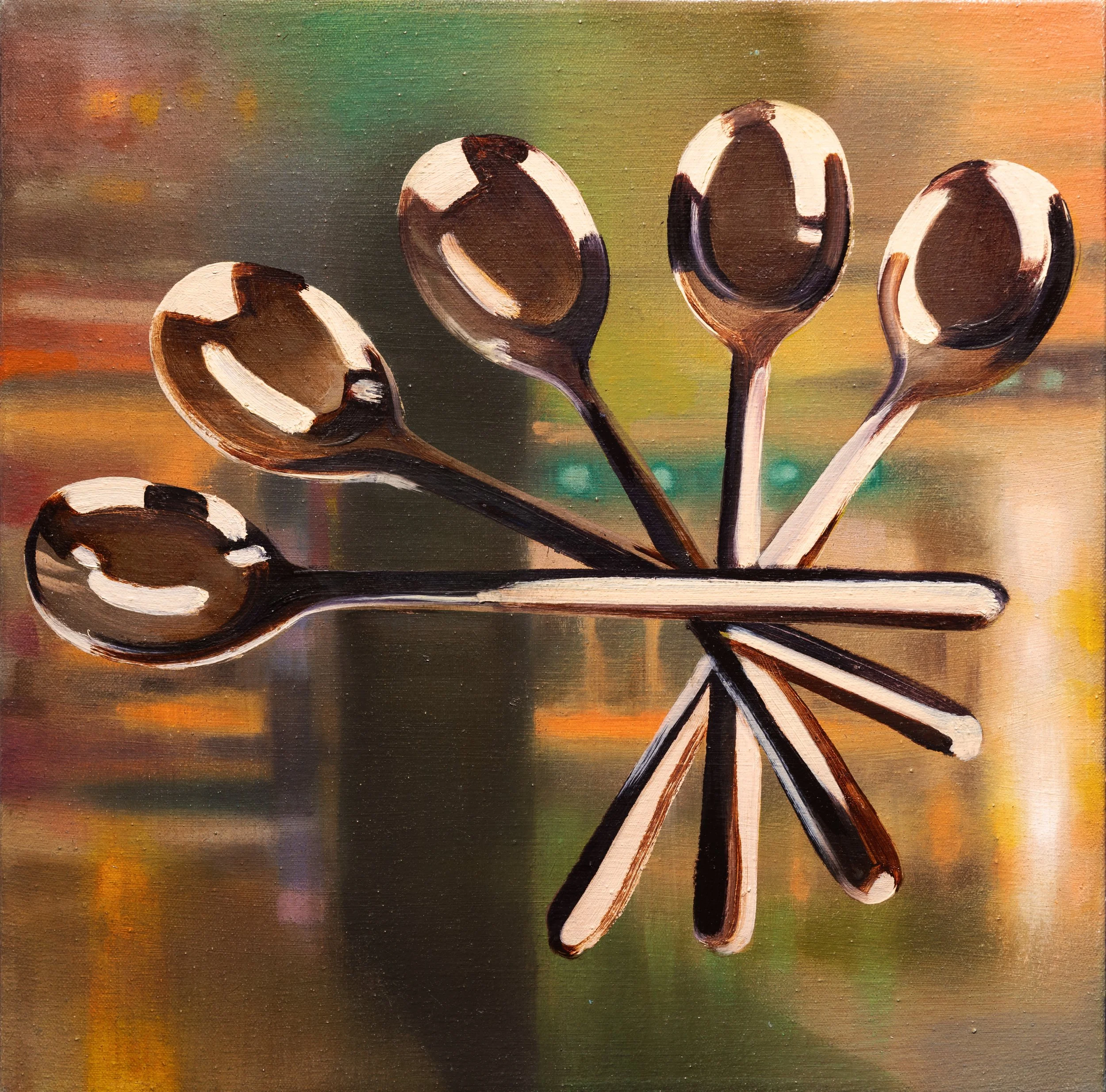
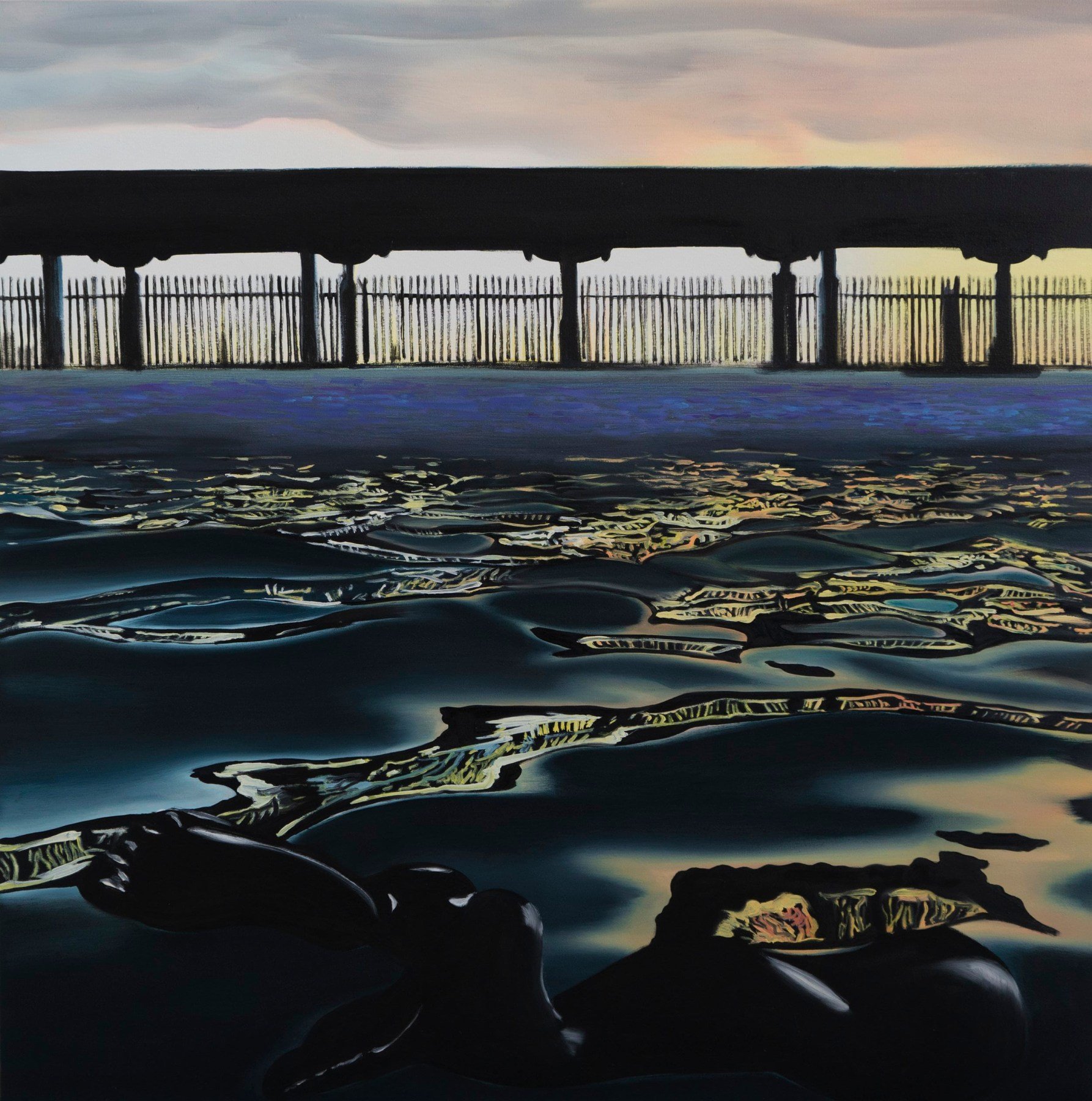
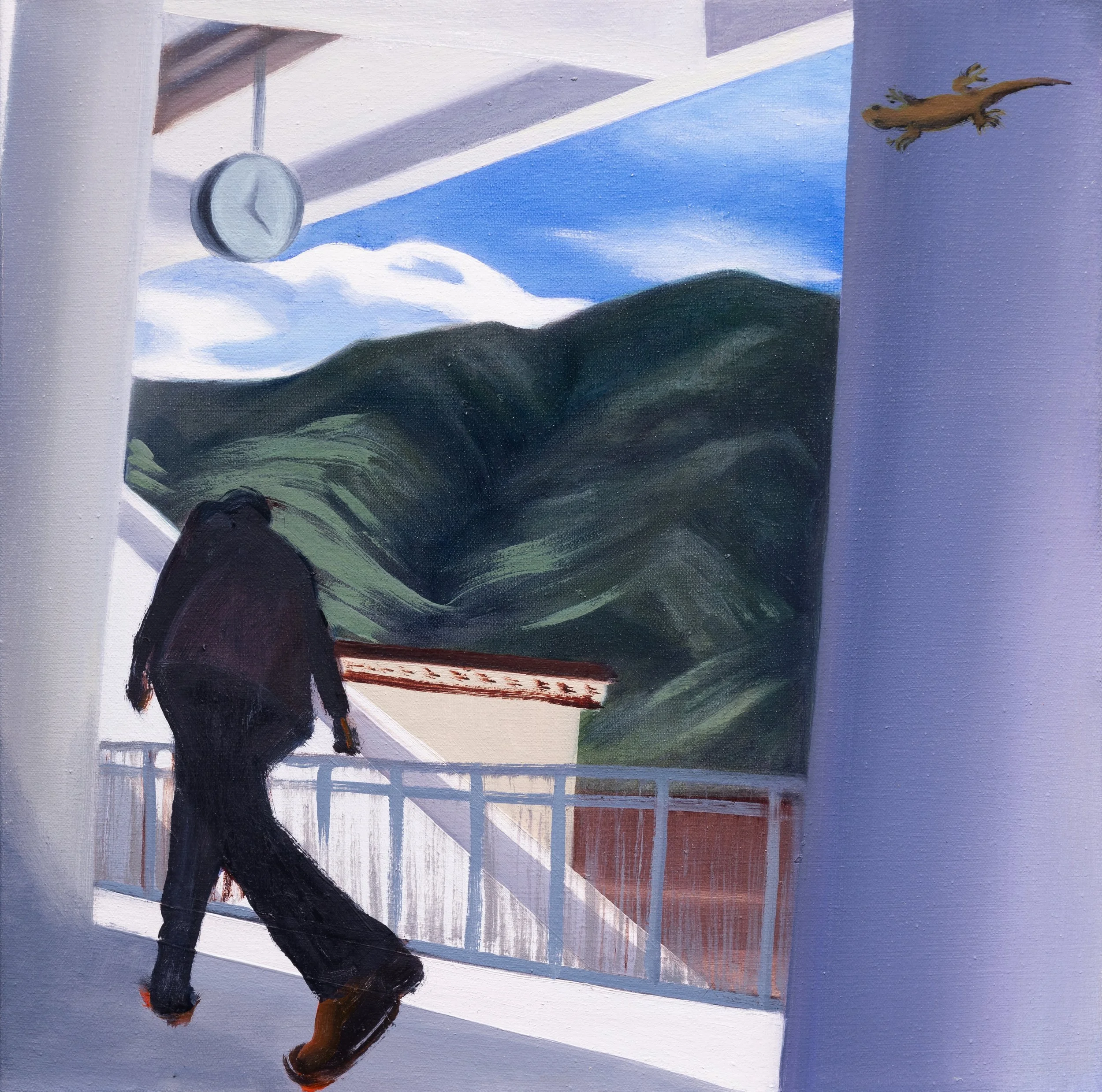
The smoothness and texture of Beijing subway stations reminded me of spoons.
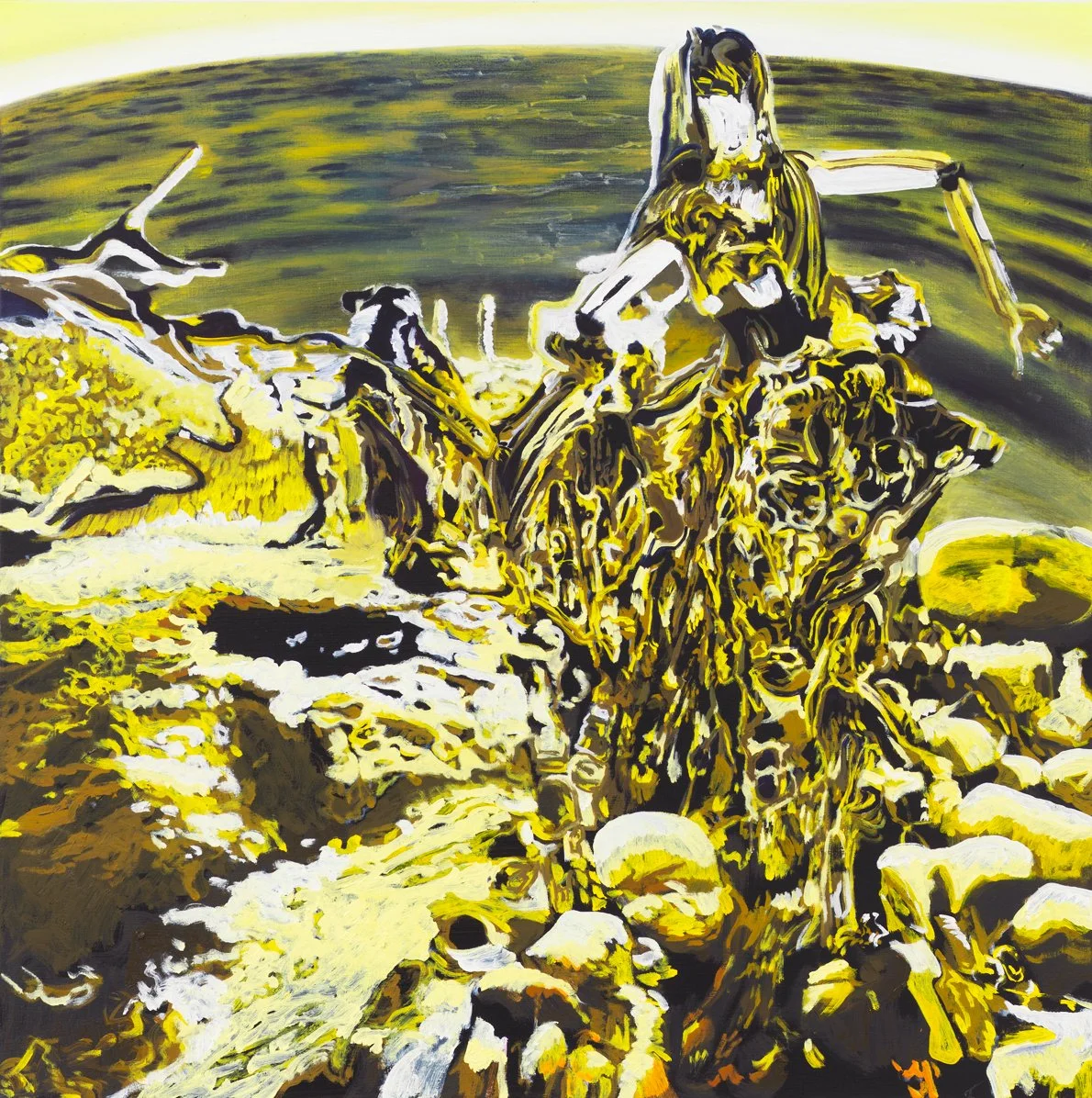
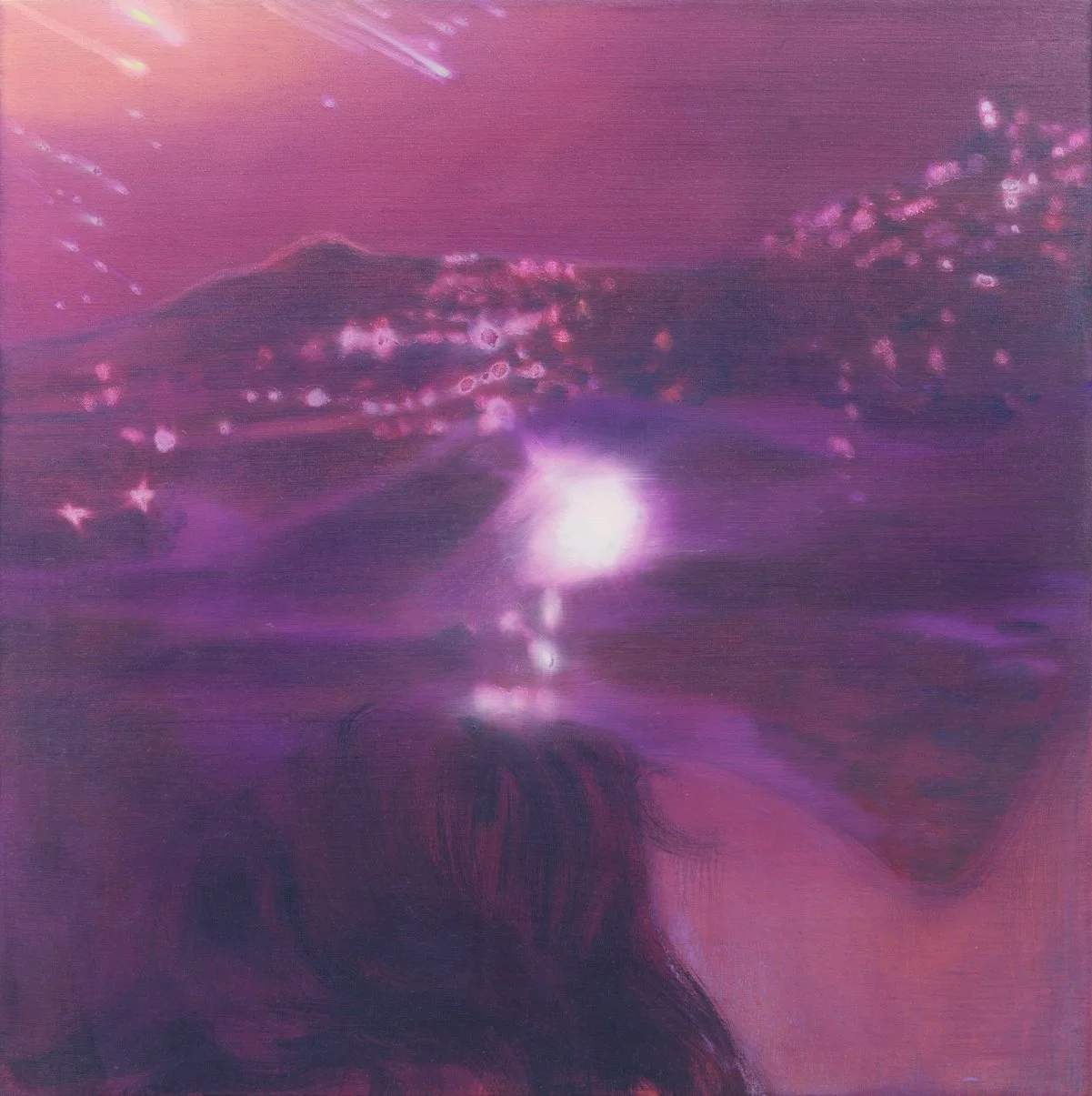
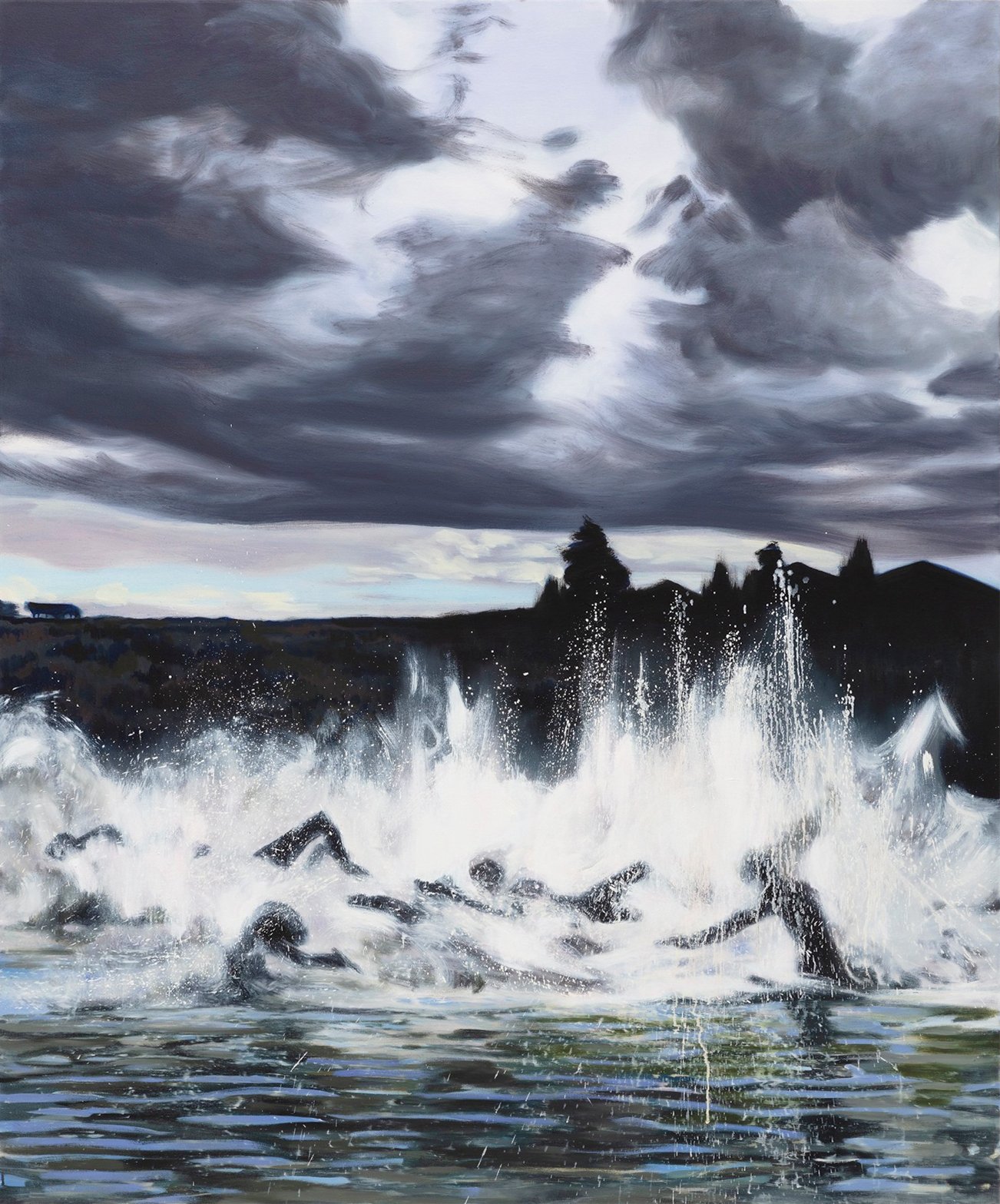
I tried to imagine death as a personal finale, Lying there, comfortably, to watch the end of one’s world. And it would be quite pretty.
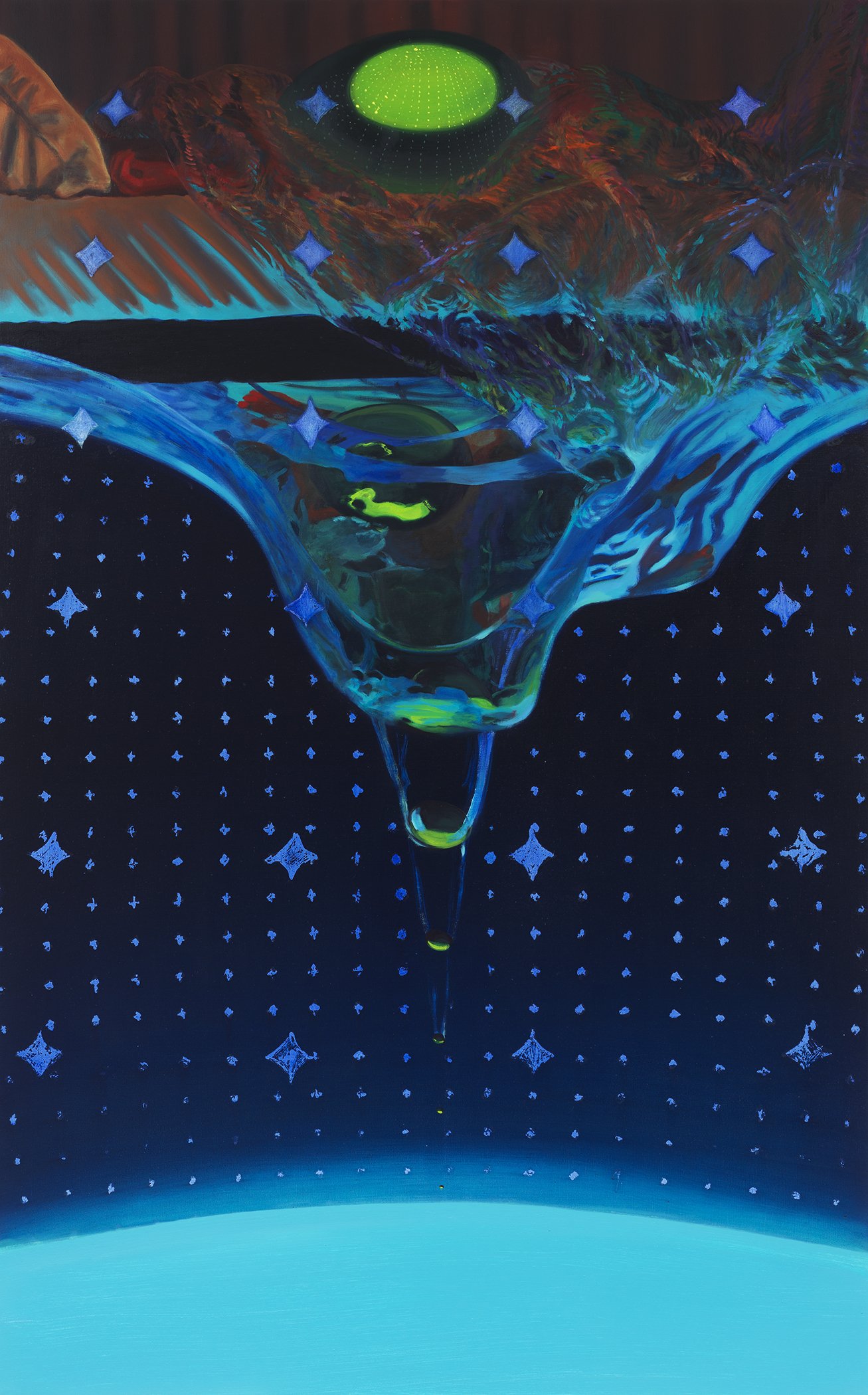
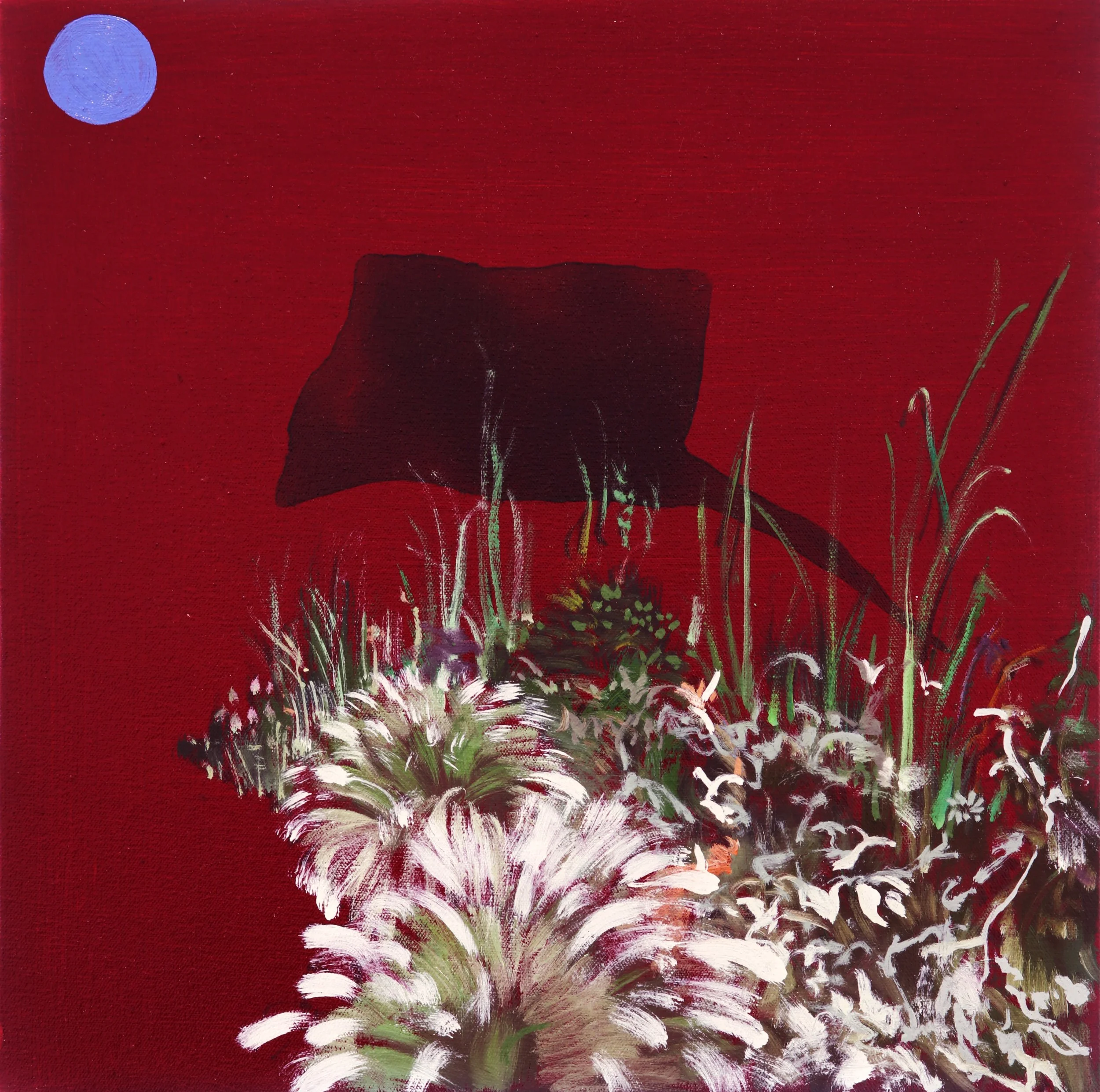
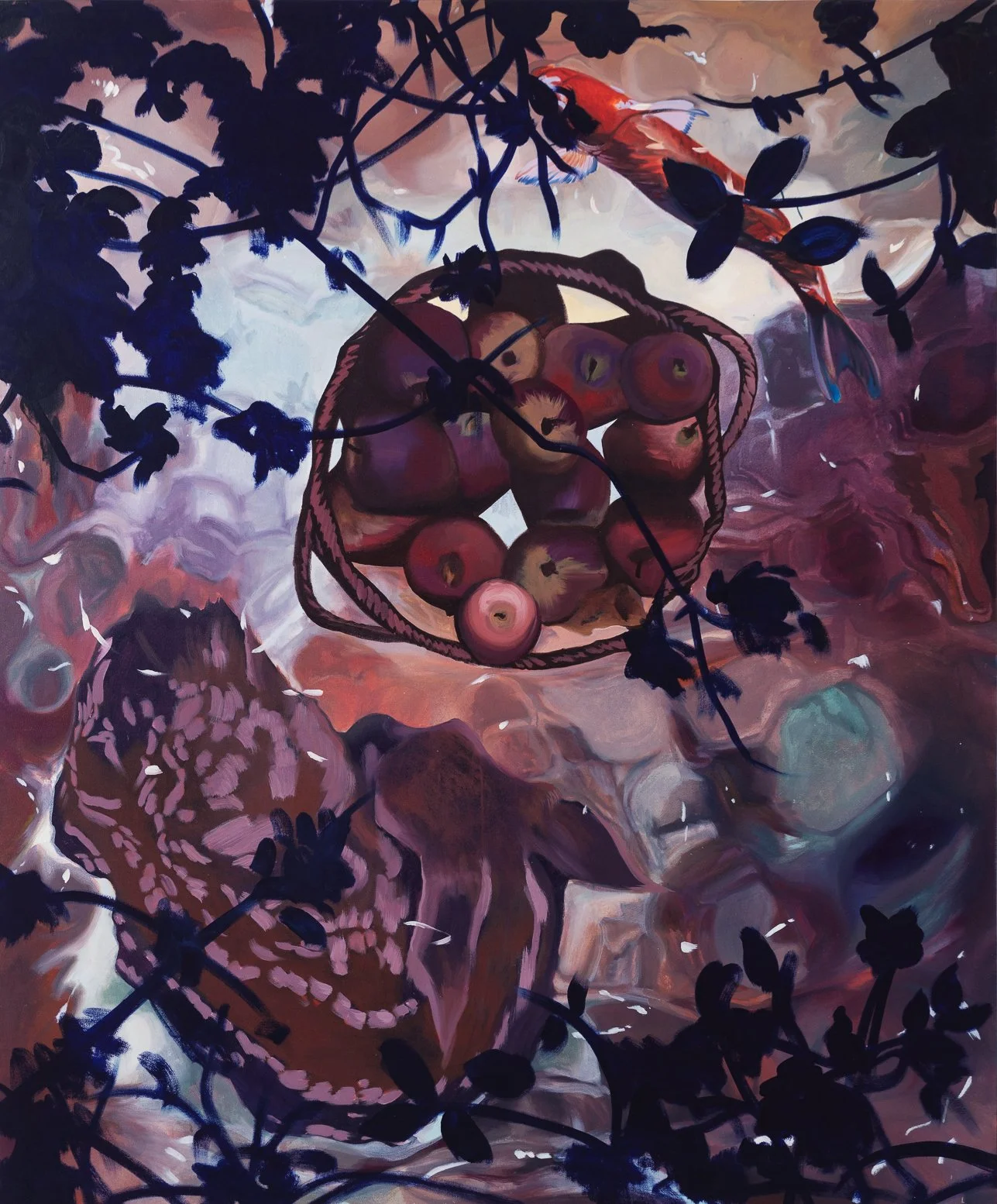
Based on a Chinese fable. The story is about a group of monkeys trying to fish for the moon's reflection in the pound and never succeeding.